Get to know this plant.
Identification clue 1
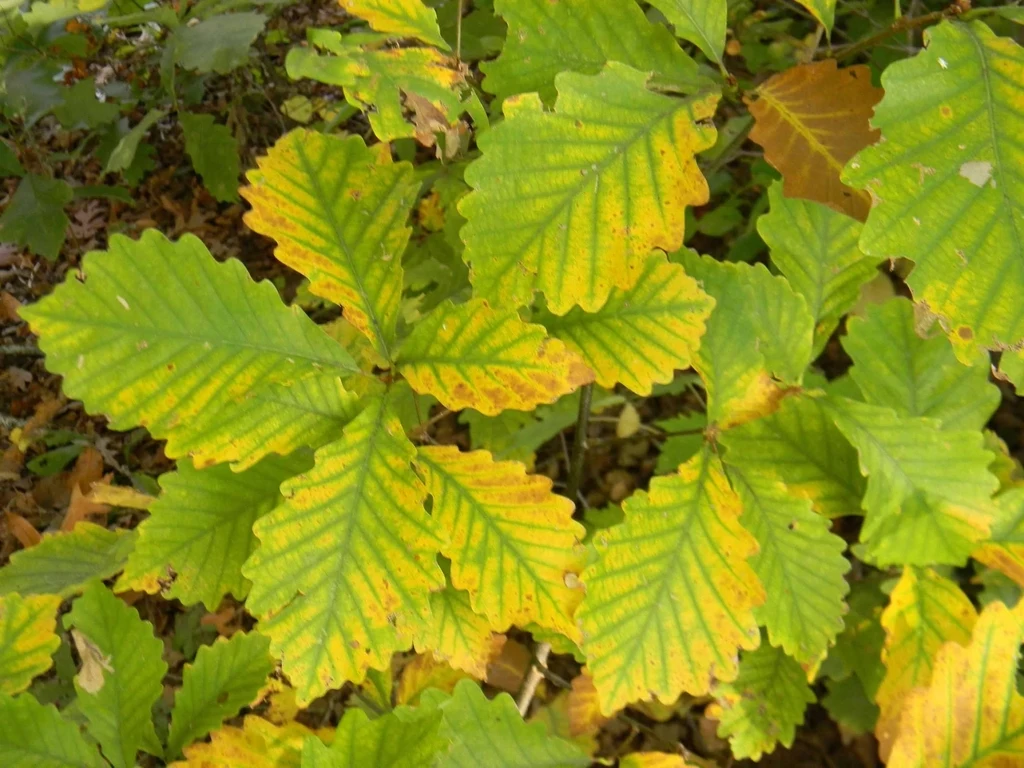
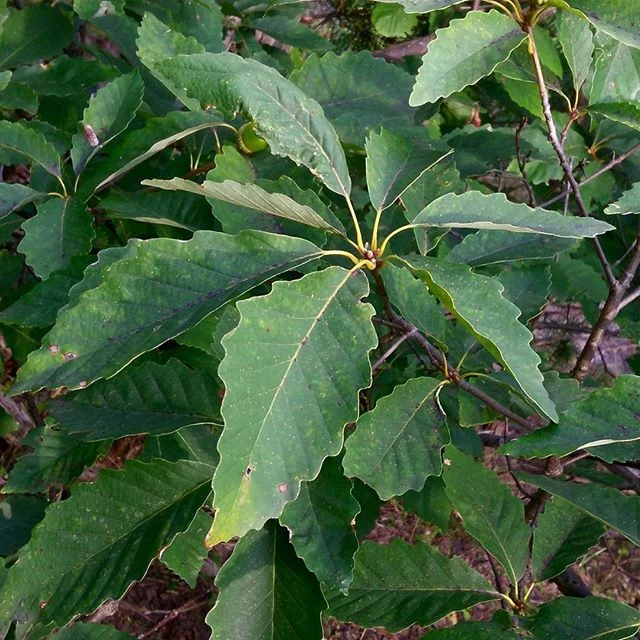
Rounded scallops along the leaf edge
Identification clue 2
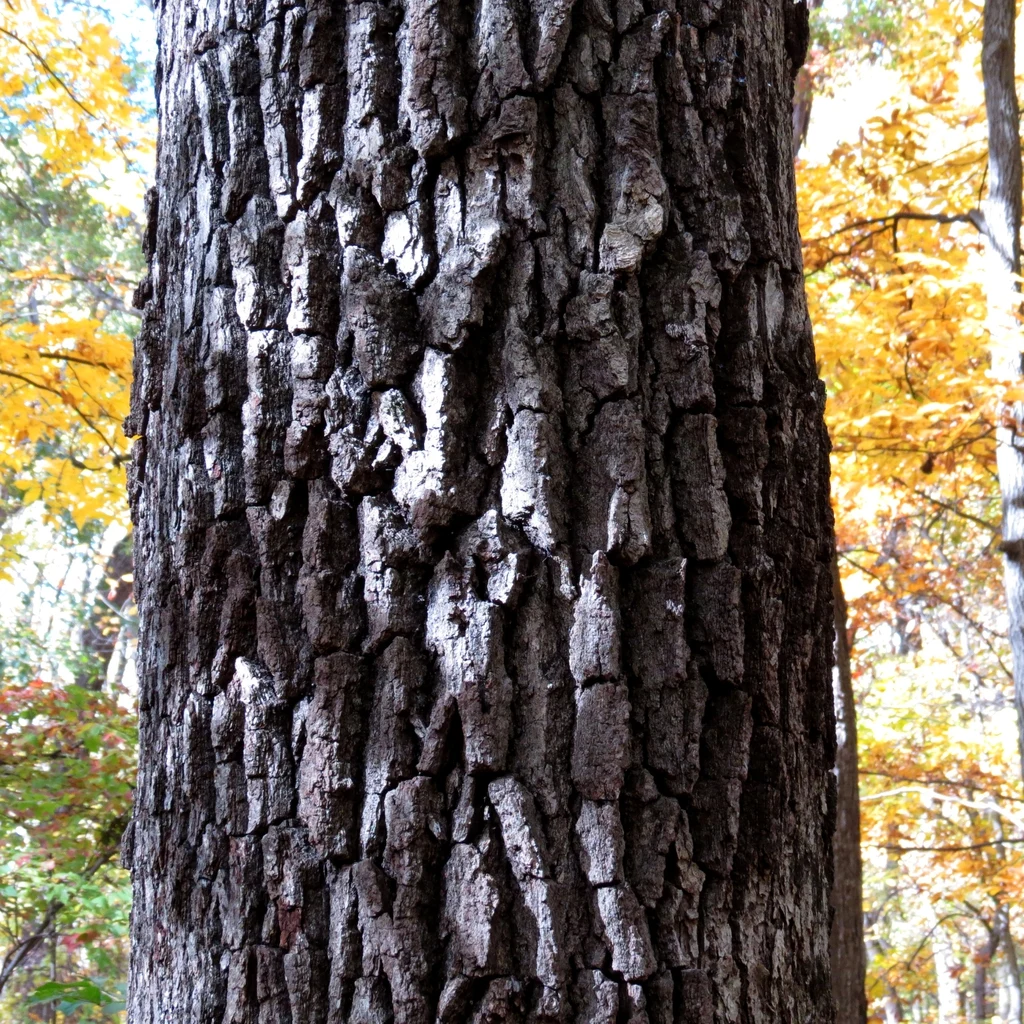
Thick deeply ridged bark
Identification clue 3
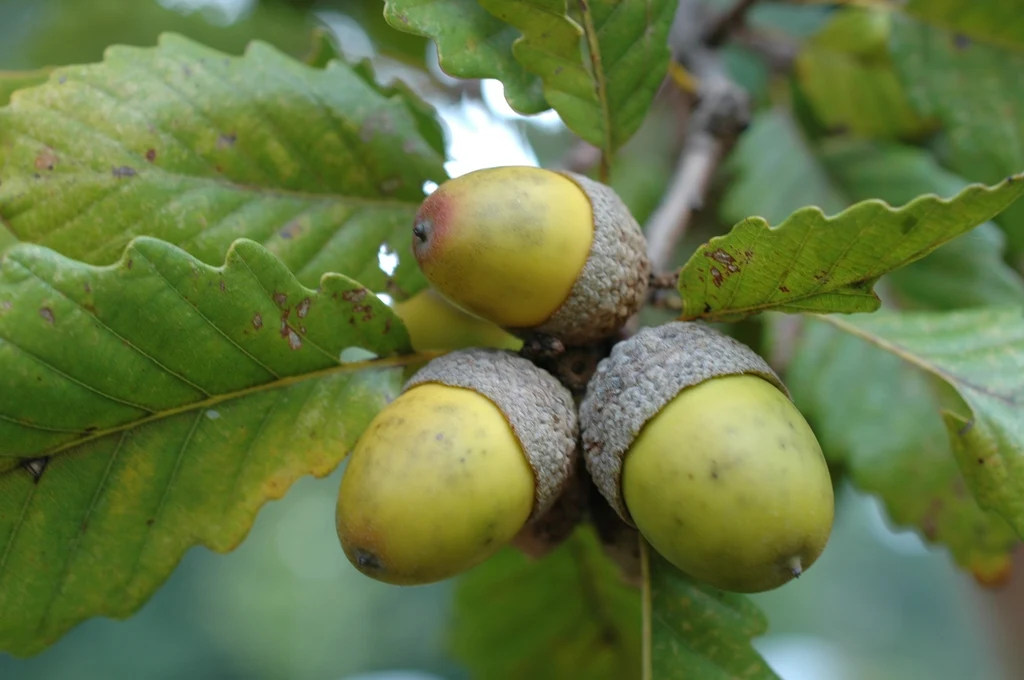
Large acorns without a fringed cup
Diseases & insects in WNC
Problems to recognize in WNC gardens. These are documented susceptibilities, not a local outbreak report or a diagnosis. Weather, elevation and growing conditions change the risk.
Diseases & similar-looking injury
Anthracnose, leaf spots and powdery mildew may affect foliage. Cankers and root decay deserve attention when branches decline.
Insects to recognize
Oakworms, leafminers, scale and gall-making insects may occur. Many oak insects also feed birds; galls or a few eaten leaves rarely justify treatment.
When to look
Check unfolding leaves in a wet spring and caterpillar activity through summer.
A useful first step
Compare the amount of damage with overall tree vigor. Repeated heavy defoliation, rapid wilt or structural decay calls for Extension or an arborist.
More growing details
Read the leaves
Shallow rounded lobes look like big scalloped teeth. There are no bristle tips on normal mature leaves.
Read the bark
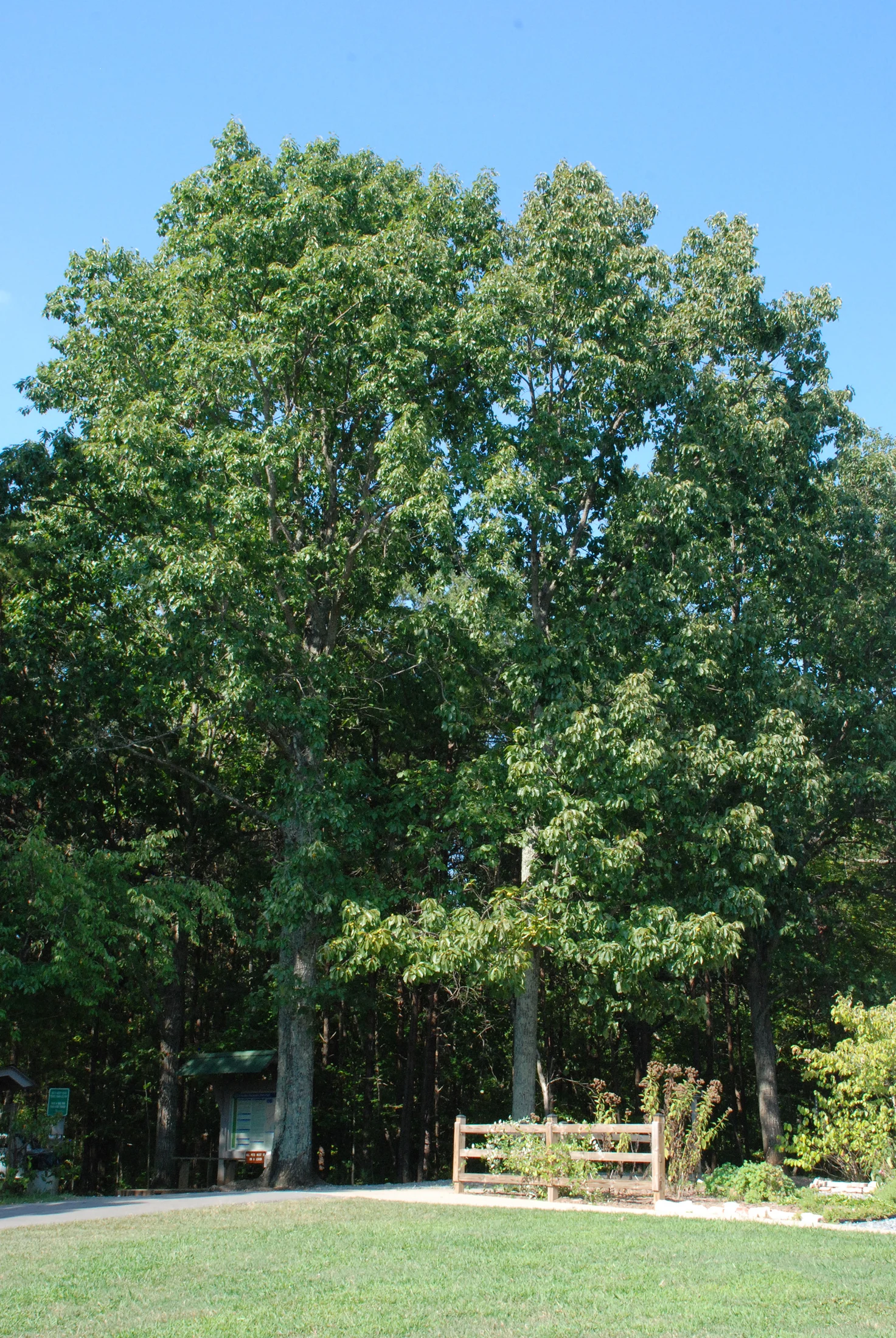
Massive blocky longitudinal ridges become very conspicuous on old trunks.
Fruit & seed
Large acorns sit in textured cups without bur oak's conspicuous fringe.
Winter character
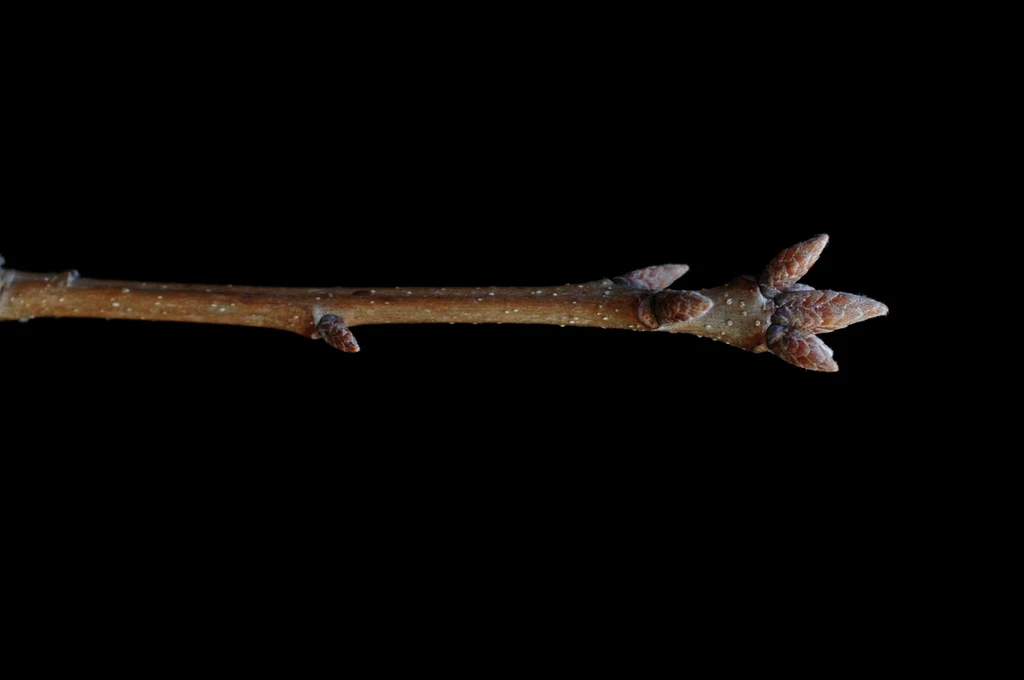
Chunky bark and clustered terminal buds are useful; habitat on rocky slopes supports but does not prove identity.
Origin & place
The species occurs naturally in the southern Appalachian region; a planted specimen is not evidence of wild local origin.
WNC Notes
Excellent native oak for dry upland WNC sites and wildlife value.
Sun Exposure
Full sun
MATURE HEIGHT (FT)
50–75
MATURE WIDTH (FT)
50–70
BLOOM SEASON
Spring
BLOOM COLOR
Catkins
FALL / WINTER COLOR
Yellow-brown
Wet-Soil Tolerance
Moderate
Drought Tolerance
High