Roots, bulbs, and bark of woody plants and garden plants.
Recognize the damage
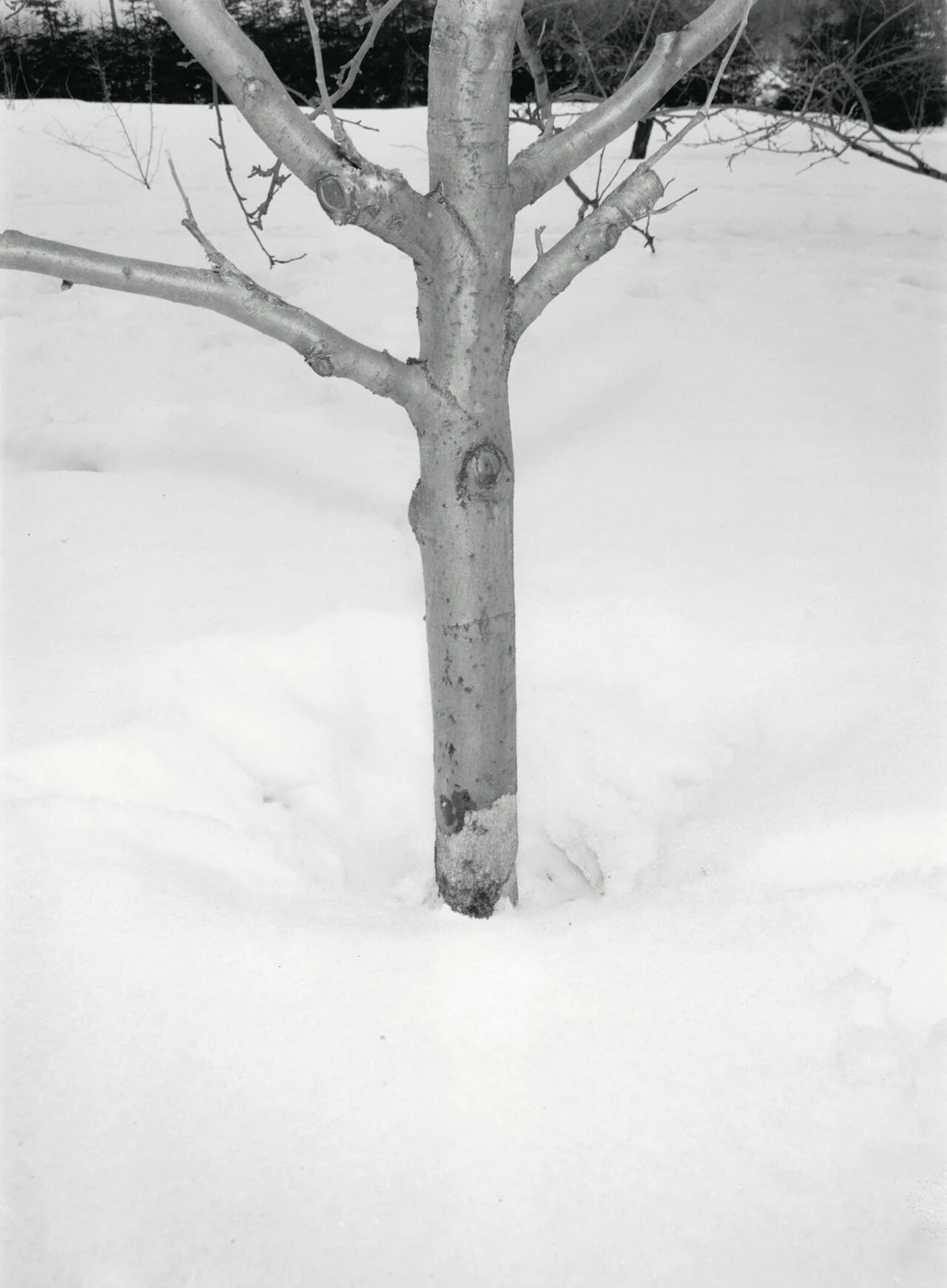
Belowground gnawing, missing roots, and plants that wilt or become loose at the base.
Before you act
Inspect the root collar and shallow soil around affected plants. Look for paired incisor marks and covered passageways.
A sensible first response
Keep mulch away from trunks and reduce dense cover immediately around vulnerable plants. Consider properly fitted root-collar protection and obtain local advice for persistent damage.
When to look
Active all year; inspect vulnerable plants particularly through winter and early spring.
In Western North Carolina
A significant WNC orchard, nursery, and garden concern; an underground habit makes early injury easy to miss.
Identification, lookalikes & further notes
Identification
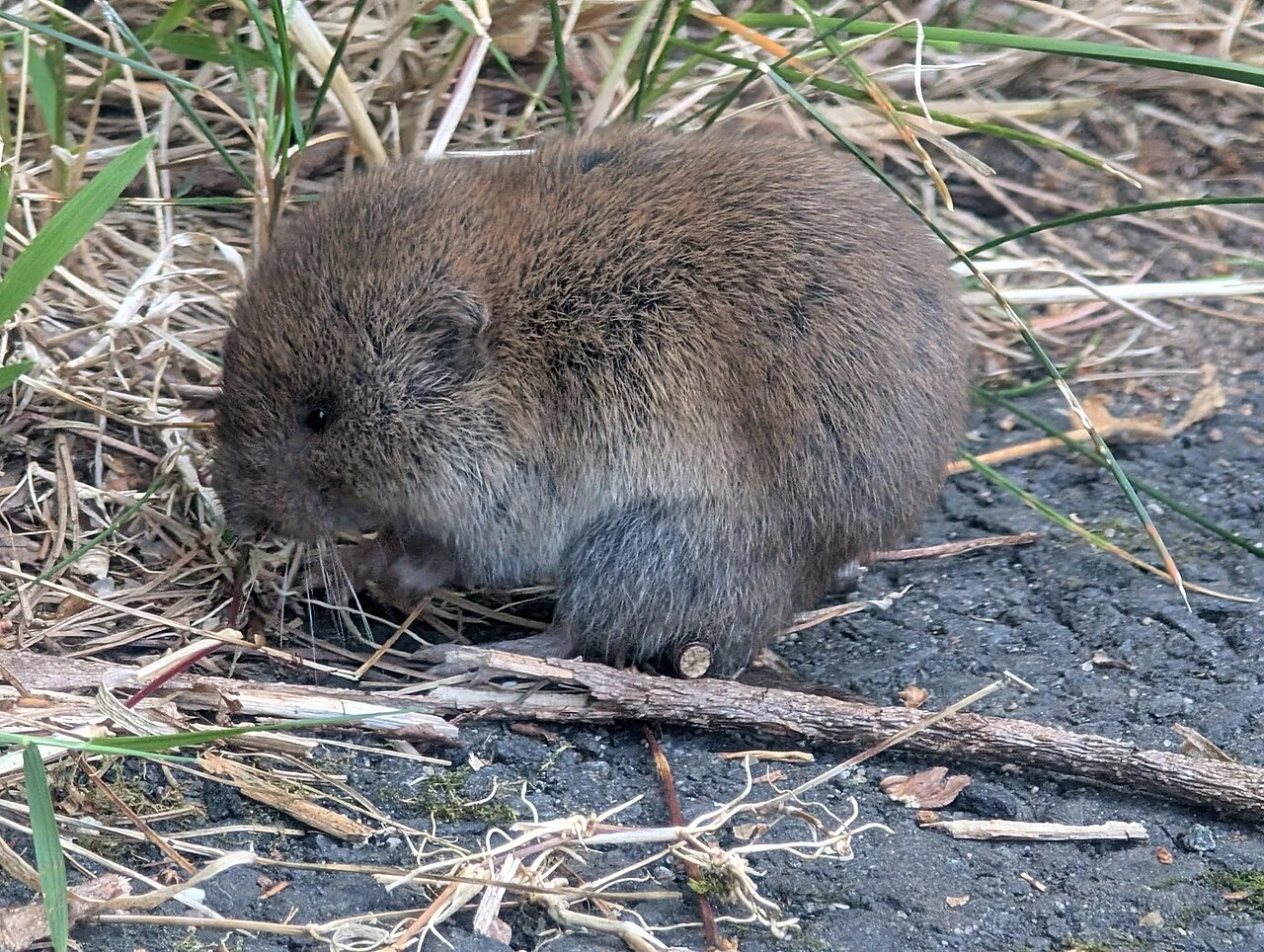
A small reddish-brown vole with tiny eyes, concealed ears, and a very short tail; much activity stays underground.
Lookalikes & limits
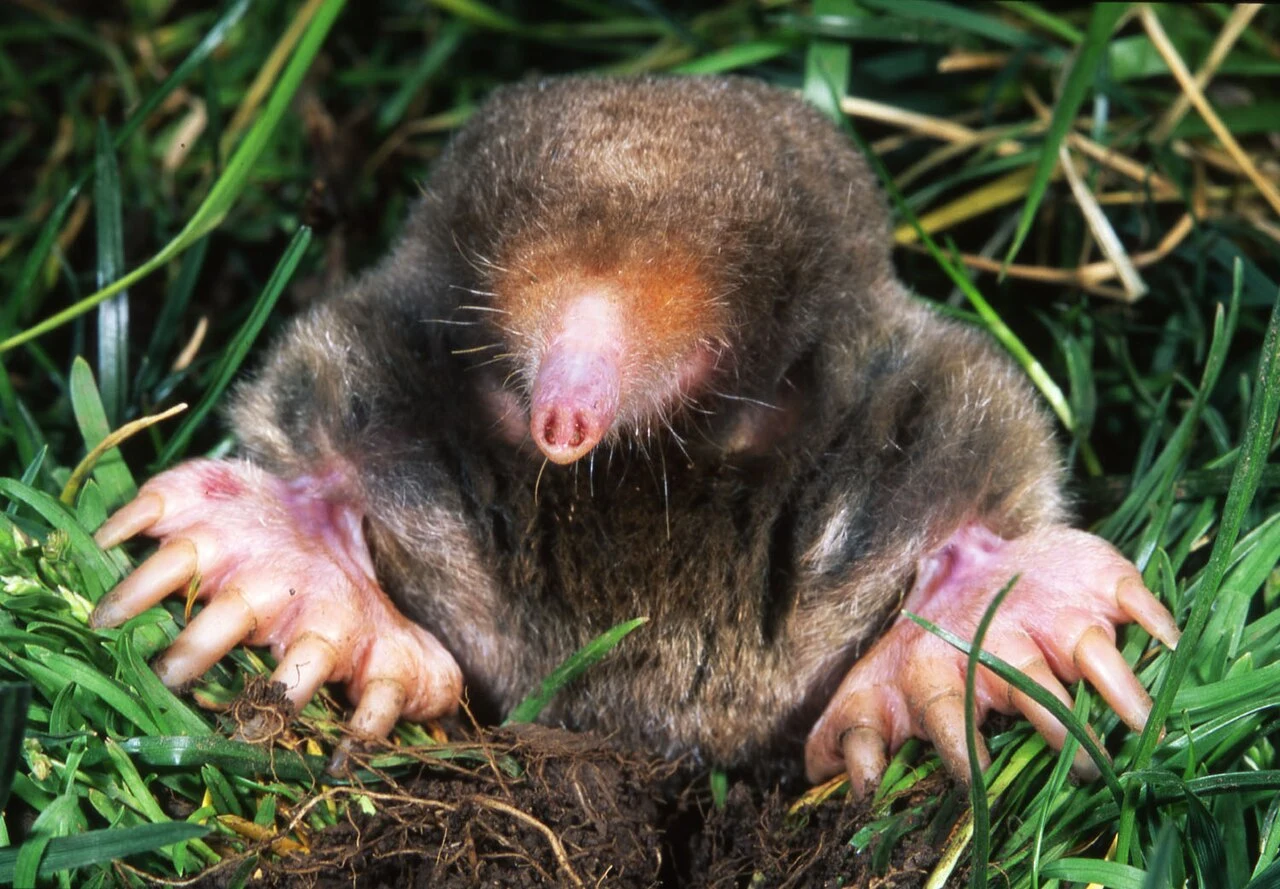
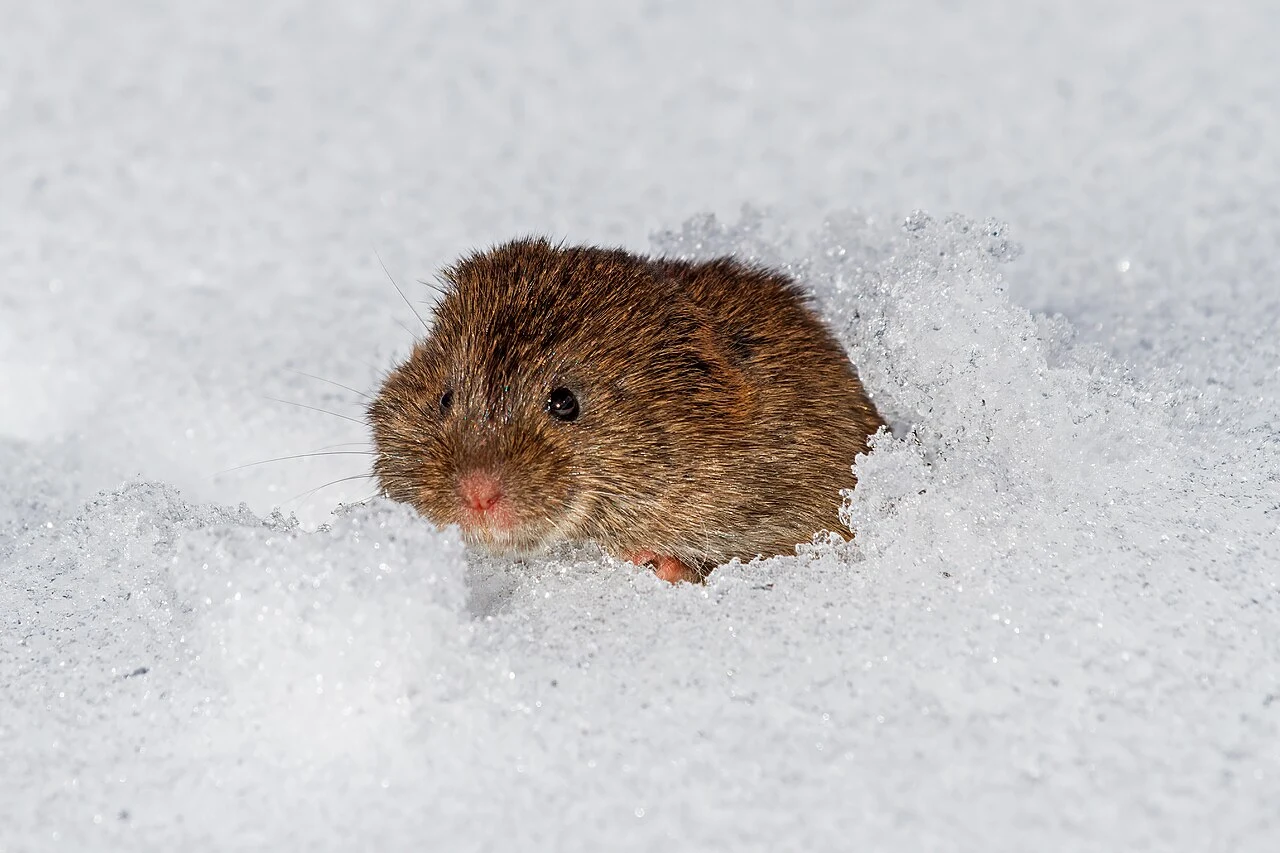
Meadow voles make more obvious surface runways. Moles have digging forefeet and mainly eat invertebrates.
In the garden
Belowground gnawing, missing roots, and plants that wilt or become loose at the base.
What would help next
Record the host plant, date, fresh damage, and a clear photograph of the animal or insect. A damage match narrows the search; it does not establish an identification.
LOOK CLOSELY
Compare the clues.
Compare the animal or insect, its life stage, and signs of activity. Similar damage can have different causes. Images are not at the same scale; species references may show different cultivars.
Pine vole · small eyes and compact bodycrlevy ↗ · CC BY-SA 4.0Photo contextReference photograph identified as Microtus pinetorum by its source.Vole damage to an apple treeErkki Voutilainen ↗ · CC BY 4.0Photo contextHistorical Finnish reference photograph, attributed by its archive to vole damage. It does not identify a North Carolina vole species. Compare gnawing at the base with raised soil from digging. Resized and converted to WebP; full composition retained.Compare: Moles · Eastern mole · broad digging forefeet and pointed snoutKenneth Catania, Vanderbilt University ↗ · CC BY-SA 3.0Photo contextAn eastern mole illustrates the group. This is not a record of a mole in Holly’s garden.Compare: Meadow vole · Meadow vole beside a snowy surface runwayChuck Homler d/b/a Focus On Wildlife ↗ · CC BY-SA 4.0Photo contextThe photograph illustrates a vole using surface cover, rather than a mole’s raised tunnel.



_emerging_from_a_runway_in_the_snow_in_Kennebunk,_Maine,_USA.jpg)