Grasses, herbaceous plants, and bark near ground level.
Recognize the damage
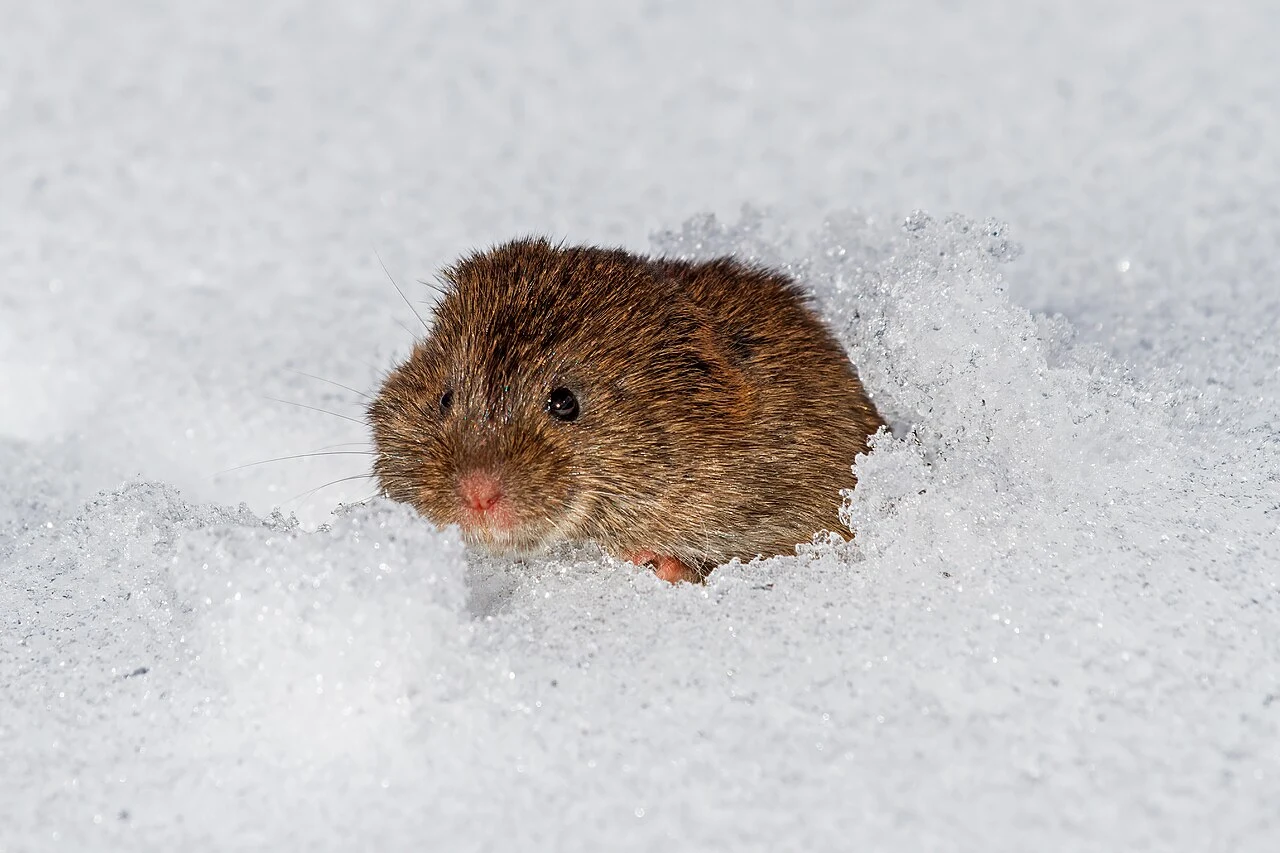
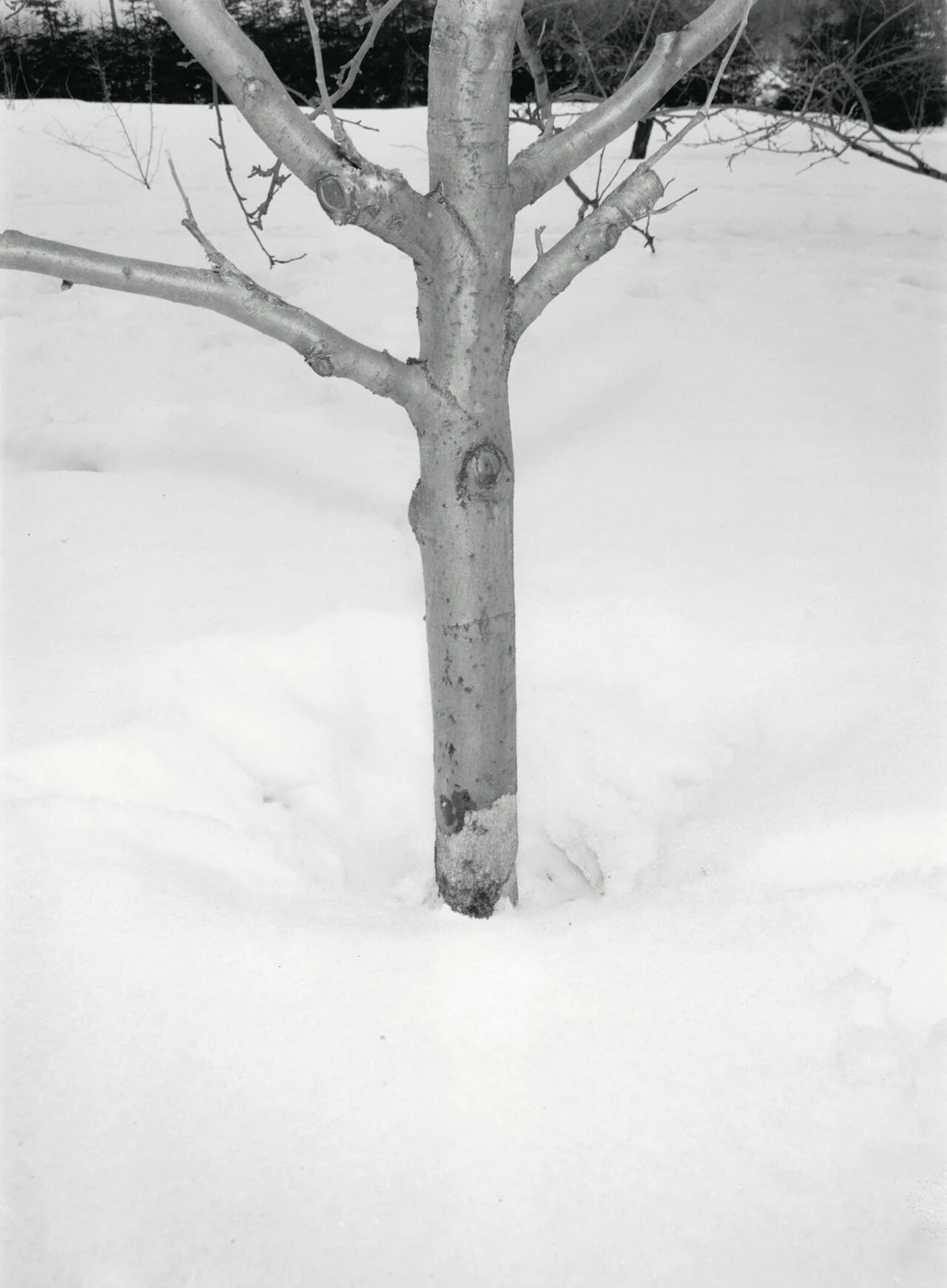
Narrow surface runways, clipped vegetation, and gnawed bark, sometimes revealed when snow melts.
Before you act
Follow runways to nearby vulnerable trunks and examine bark at ground level; photograph tracks and gnaw marks.
A sensible first response
Reduce rank vegetation next to vulnerable trunks and keep mulch pulled back. Protect young stems with guards that cannot trap or girdle the growing trunk.
When to look
Year-round; winter cover can conceal bark damage.
In Western North Carolina
Open grassy edges and groundcover can provide shelter; predators also depend on voles, so focus protection where damage occurs.
Identification, lookalikes & further notes
Identification
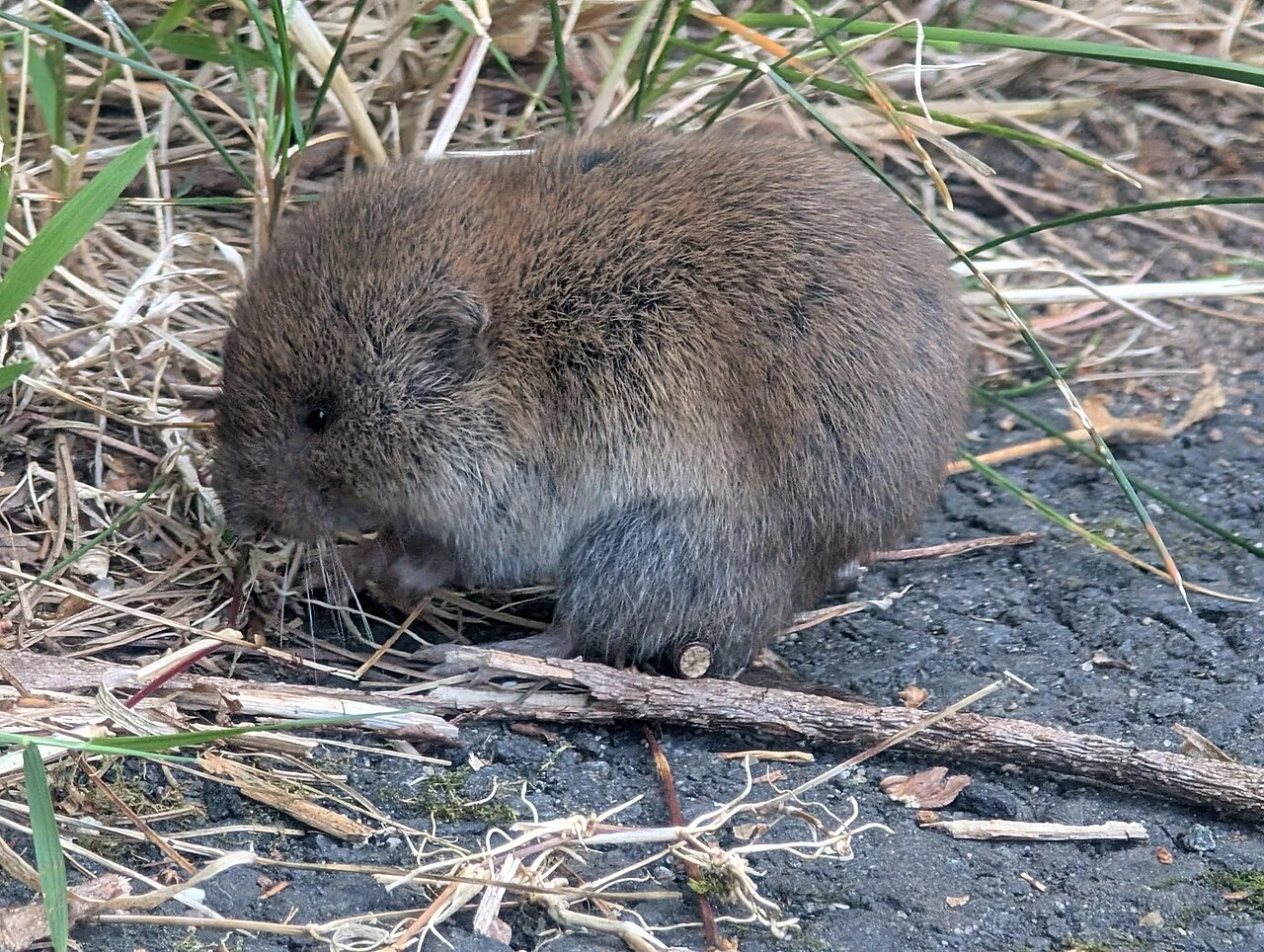
A stocky, short-tailed rodent with visible eyes and partly visible ears; darker and generally larger than the pine vole.
Lookalikes & limits
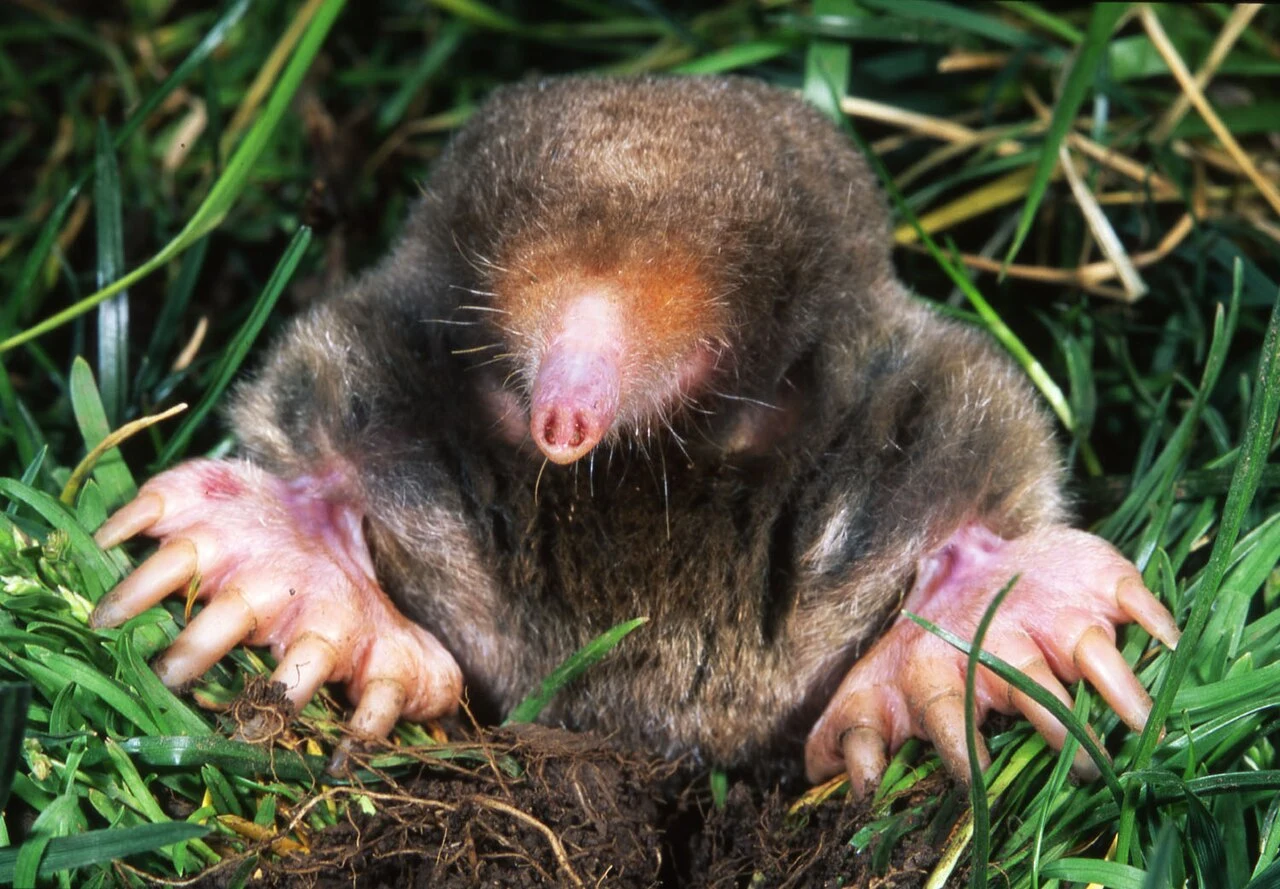
Mice usually have longer tails and larger ears; pine voles favor subsurface passages. Mole ridges are raised soil.
In the garden
Narrow surface runways, clipped vegetation, and gnawed bark, sometimes revealed when snow melts.
What would help next
Record the host plant, date, fresh damage, and a clear photograph of the animal or insect. A damage match narrows the search; it does not establish an identification.
LOOK CLOSELY
Compare the clues.
Compare the animal or insect, its life stage, and signs of activity. Similar damage can have different causes. Images are not at the same scale; species references may show different cultivars.
Meadow vole beside a snowy surface runwayChuck Homler d/b/a Focus On Wildlife ↗ · CC BY-SA 4.0Photo contextThe photograph illustrates a vole using surface cover, rather than a mole’s raised tunnel.Vole damage to an apple treeErkki Voutilainen ↗ · CC BY 4.0Photo contextHistorical Finnish reference photograph, attributed by its archive to vole damage. It does not identify a North Carolina vole species. Compare gnawing at the base with raised soil from digging. Resized and converted to WebP; full composition retained.Compare: Moles · Eastern mole · broad digging forefeet and pointed snoutKenneth Catania, Vanderbilt University ↗ · CC BY-SA 3.0Photo contextAn eastern mole illustrates the group. This is not a record of a mole in Holly’s garden.Compare: Pine vole · woodland vole · Pine vole · small eyes and compact bodycrlevy ↗ · CC BY-SA 4.0Photo contextReference photograph identified as Microtus pinetorum by its source.

_emerging_from_a_runway_in_the_snow_in_Kennebunk,_Maine,_USA.jpg)

