Wildlife & landscape pests · Western North Carolina field companion
Moles
Talpidae · eastern and hairy-tailed moles
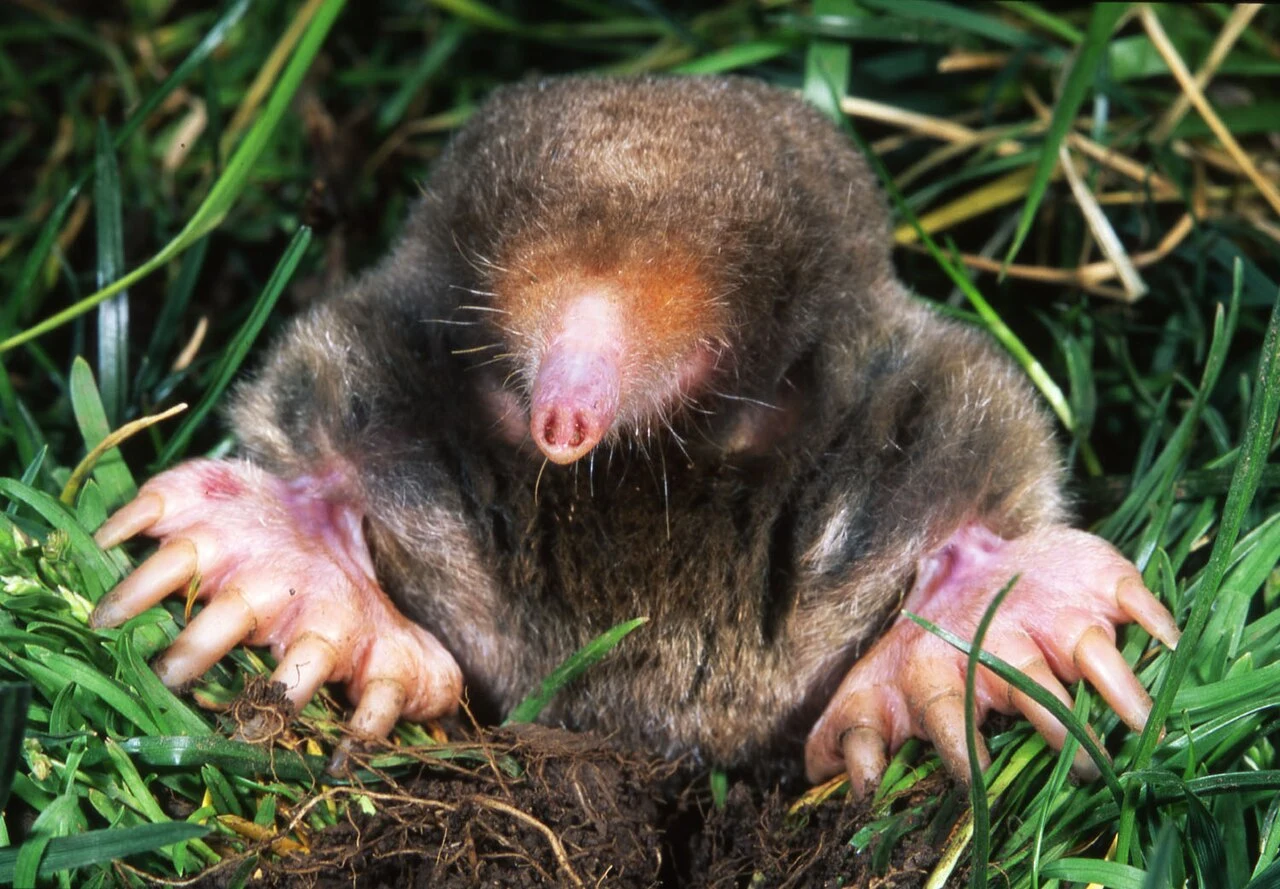
Eastern mole · broad digging forefeet and pointed snoutKenneth Catania, Vanderbilt University ↗ · CC BY-SA 3.0Photo contextAn eastern mole illustrates the group. This is not a record of a mole in Holly’s garden.
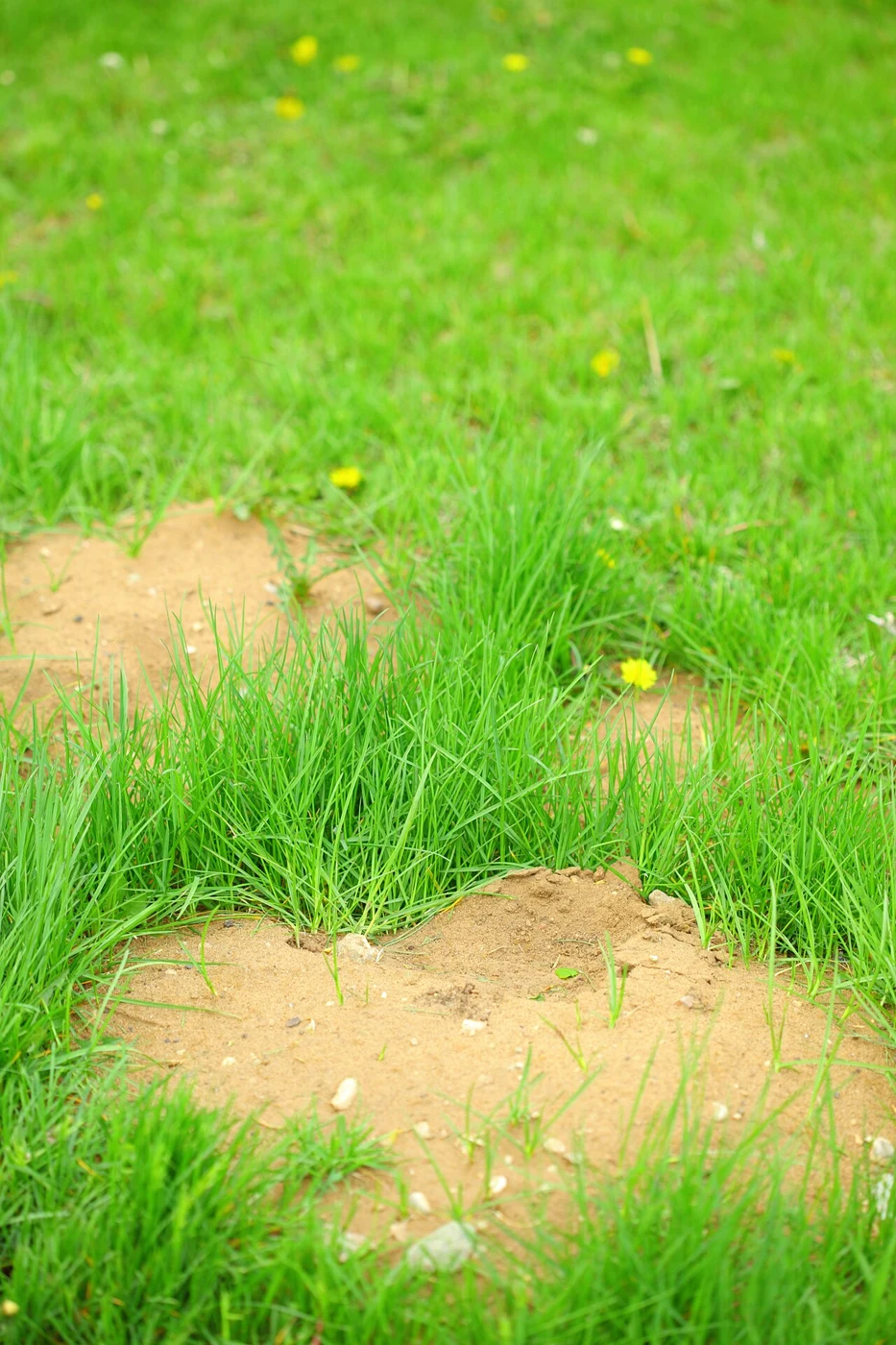
Raised ridges usually mark an underground hunter, not a root-eating rodent.
Moist soil rich in earthworms and other soil invertebrates.
Recognize the damage
Raised tunnels and mounds disturb turf and may loosen small plants; gnawed bulbs or bark point elsewhere.
Before you act
Press down a short section of ridge and check for renewed use; inspect damaged plants separately for tooth marks.
A sensible first response
Tolerate low-impact activity and firm loosened turf. Do not apply grub treatment just because tunnels appear; seek local wildlife guidance if disruption persists.
When to look
Active year-round; surface tunneling varies with soil moisture and food location.
In Western North Carolina
Eastern and hairy-tailed moles occur in the region. Earthworms remain food even when grubs are scarce; reference imagery is not a local species record.
Identification, lookalikes & further notes
Identification
A pointed snout, tiny concealed eyes, and broad digging forefeet distinguish moles from mouse-like voles.
Lookalikes & limits
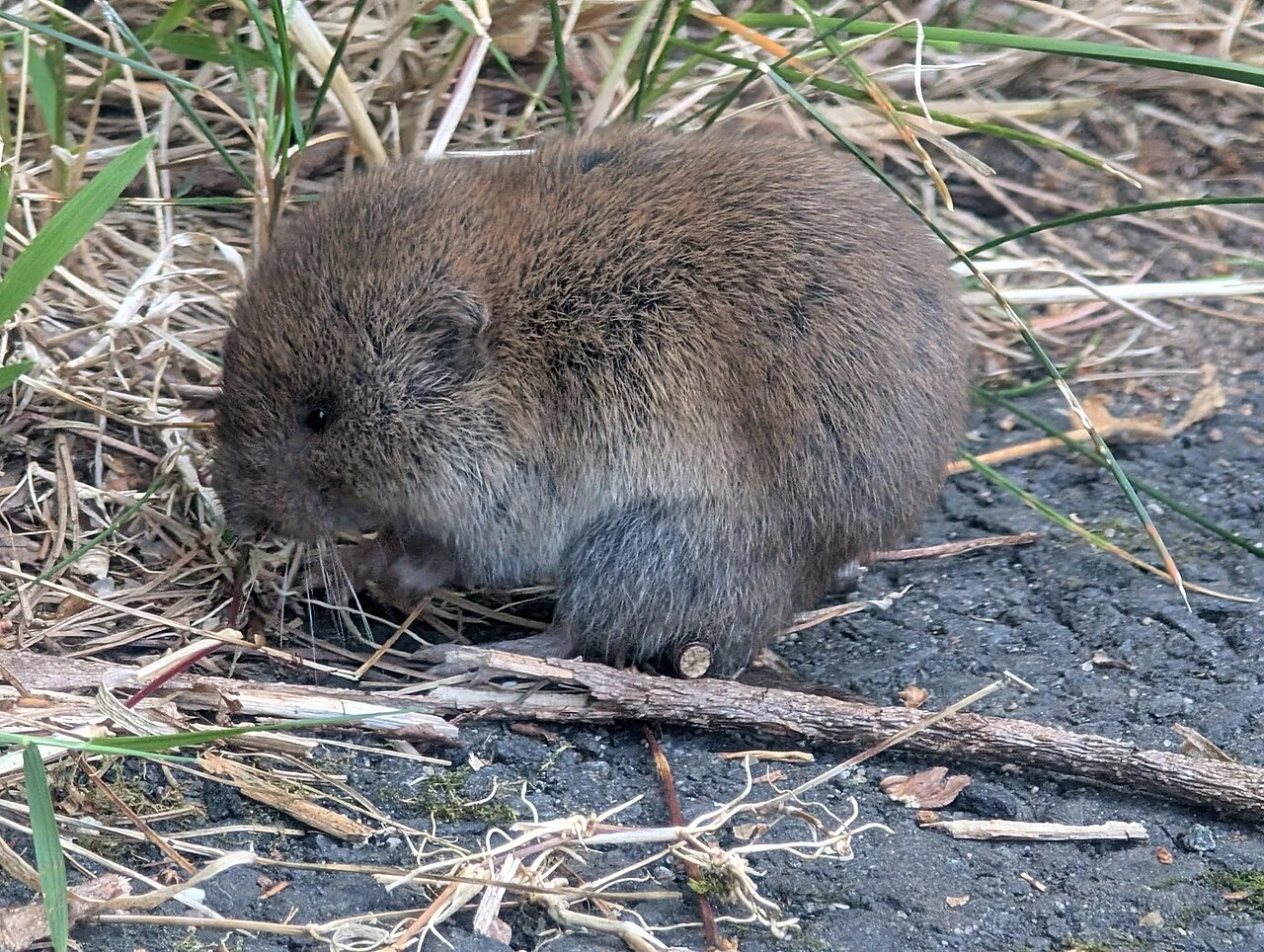
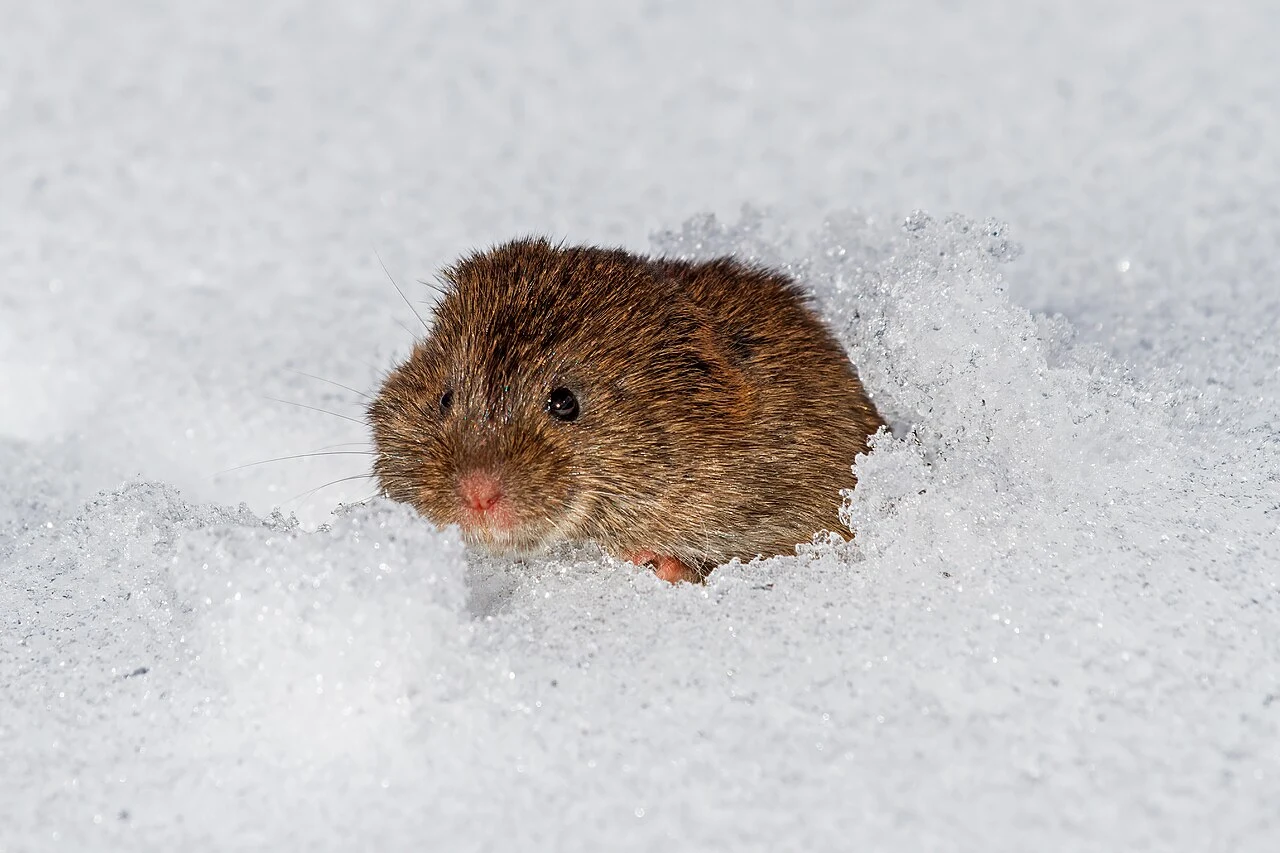
Pine and meadow voles eat plants and may use nearby tunnels. A mole tunnel does not identify who ate a root.
In the garden
Raised tunnels and mounds disturb turf and may loosen small plants; gnawed bulbs or bark point elsewhere.
What would help next
Record the host plant, date, fresh damage, and a clear photograph of the animal or insect. A damage match narrows the search; it does not establish an identification.
LOOK CLOSELY
Compare the clues.
Compare the animal or insect, its life stage, and signs of activity. Similar damage can have different causes. Images are not at the same scale; species references may show different cultivars.
Eastern mole · broad digging forefeet and pointed snoutKenneth Catania, Vanderbilt University ↗ · CC BY-SA 3.0Photo contextAn eastern mole illustrates the group. This is not a record of a mole in Holly’s garden.Molehills in a lawnD Sharon Pruitt ↗ · CC BY 2.0Photo contextExcavated soil is a sign of digging, not proof of the mole species or of grub damage. Reference photograph from outside this garden. Resized and converted to WebP; full composition retained.Compare: Pine vole · woodland vole · Pine vole · small eyes and compact bodycrlevy ↗ · CC BY-SA 4.0Photo contextReference photograph identified as Microtus pinetorum by its source.Compare: Meadow vole · Meadow vole beside a snowy surface runwayChuck Homler d/b/a Focus On Wildlife ↗ · CC BY-SA 4.0Photo contextThe photograph illustrates a vole using surface cover, rather than a mole’s raised tunnel.


.jpg)

_emerging_from_a_runway_in_the_snow_in_Kennebunk,_Maine,_USA.jpg)