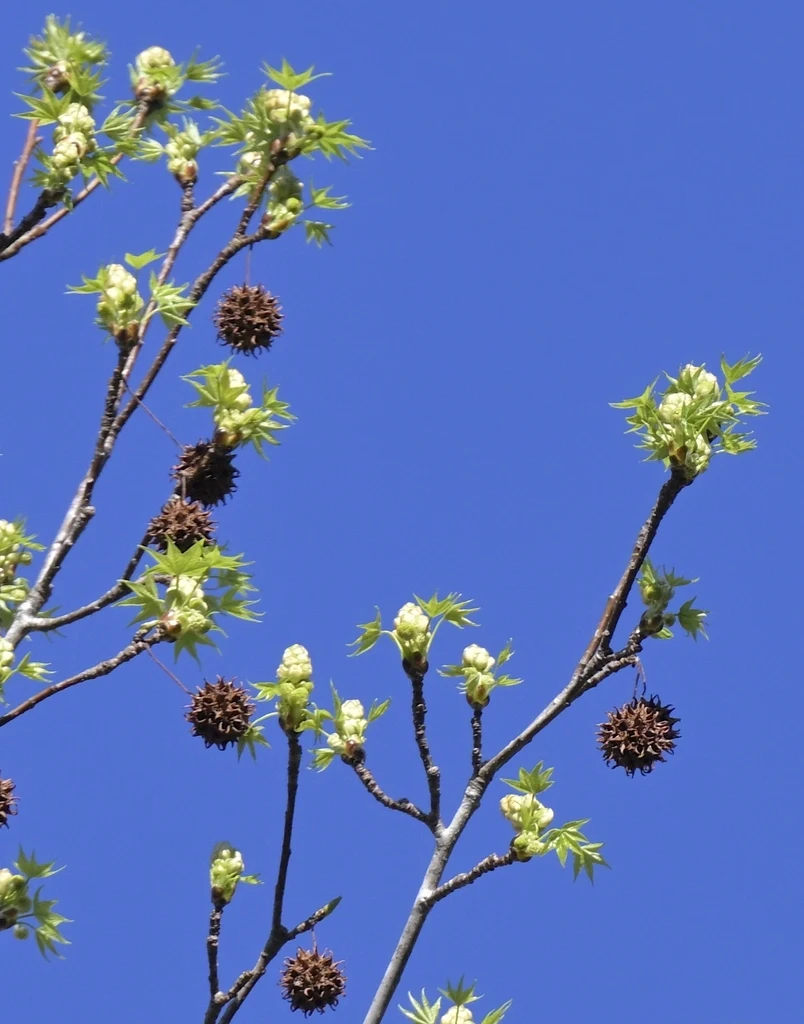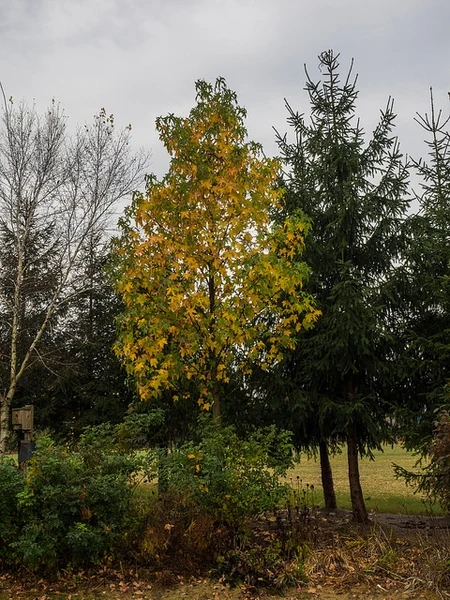
Get to know this plant.
Identification clue 1
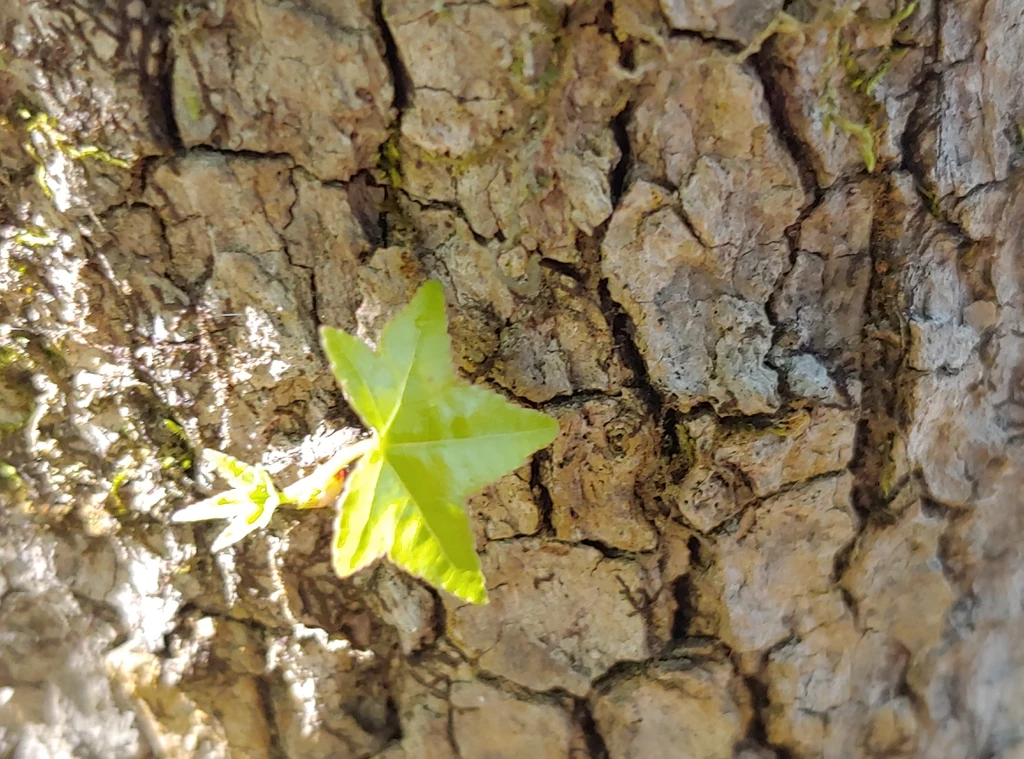
Star-shaped leaves
Identification clue 2
Alternate attachment
Identification clue 3
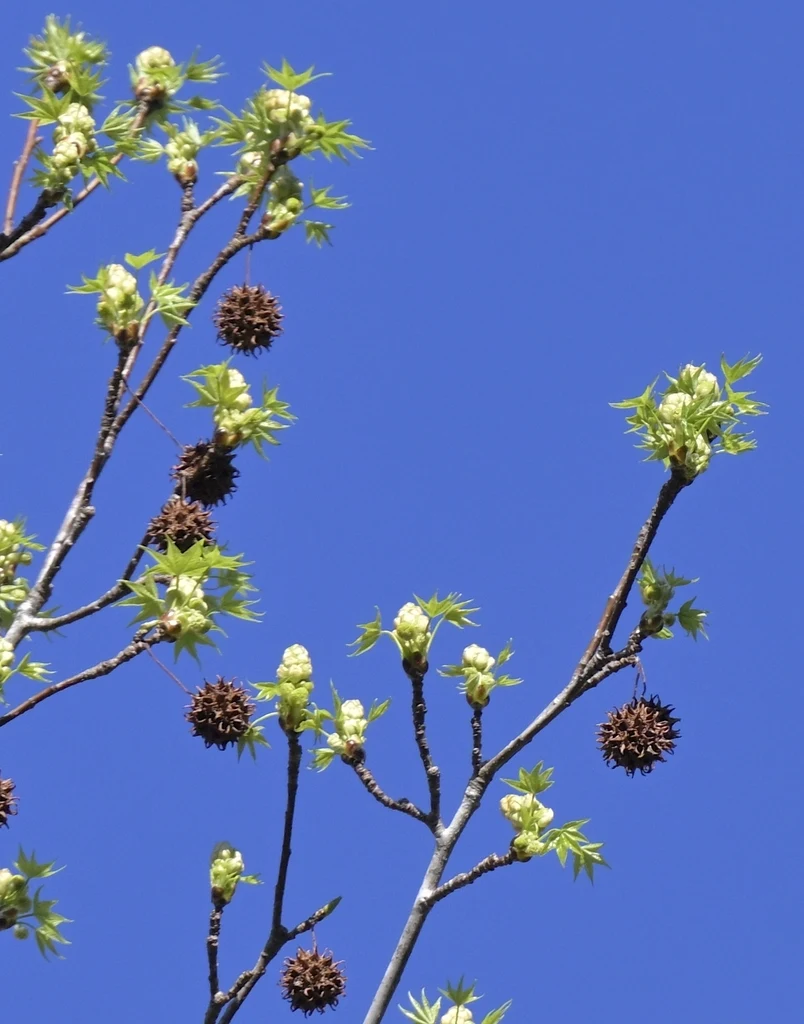
Round spiny seed balls
Diseases & insects in WNC
Problems to recognize in WNC gardens. These are documented susceptibilities, not a local outbreak report or a diagnosis. Weather, elevation and growing conditions change the risk.
Diseases & similar-looking injury
Leaf spots and wood decay may occur; yellowing can also result from alkaline soil.
Insects to recognize
Webworms, caterpillars, borers and scale are possible.
When to look
Check leaves and trunk condition during summer.
A useful first step
Investigate persistent yellowing or decline and distinguish cosmetic leaf damage from structural decay.
More growing details
Read the leaves
Five to seven pointed lobes radiate like a star and have toothed edges. Alternate leaves separate sweetgum from most maples.
Read the bark
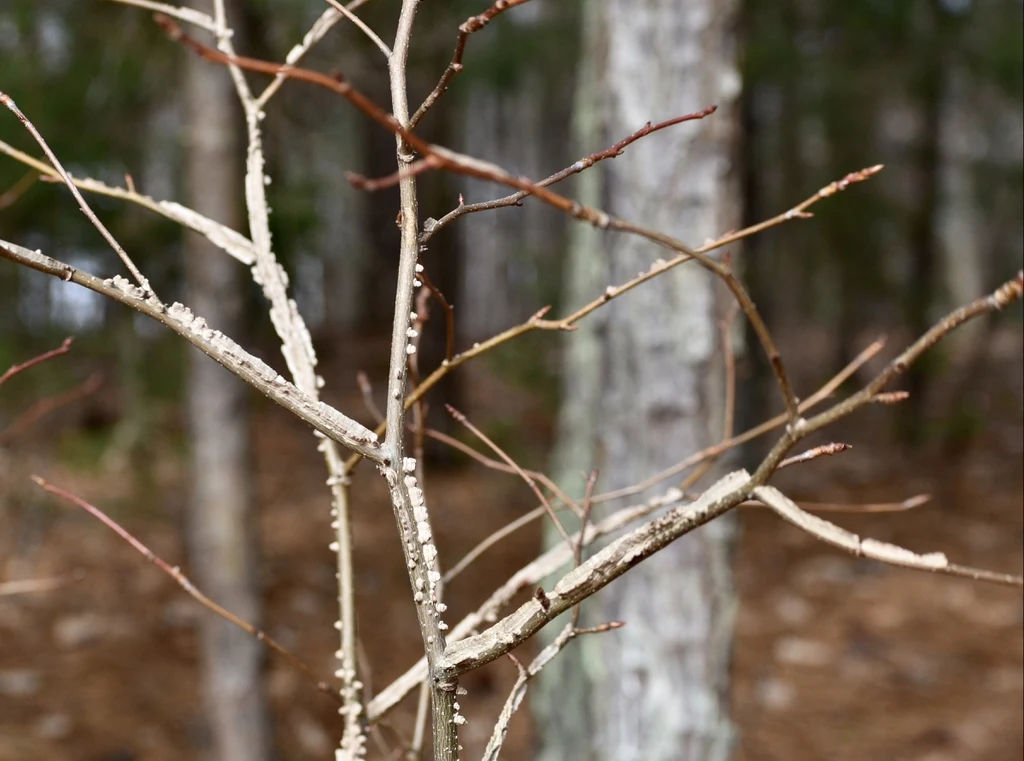
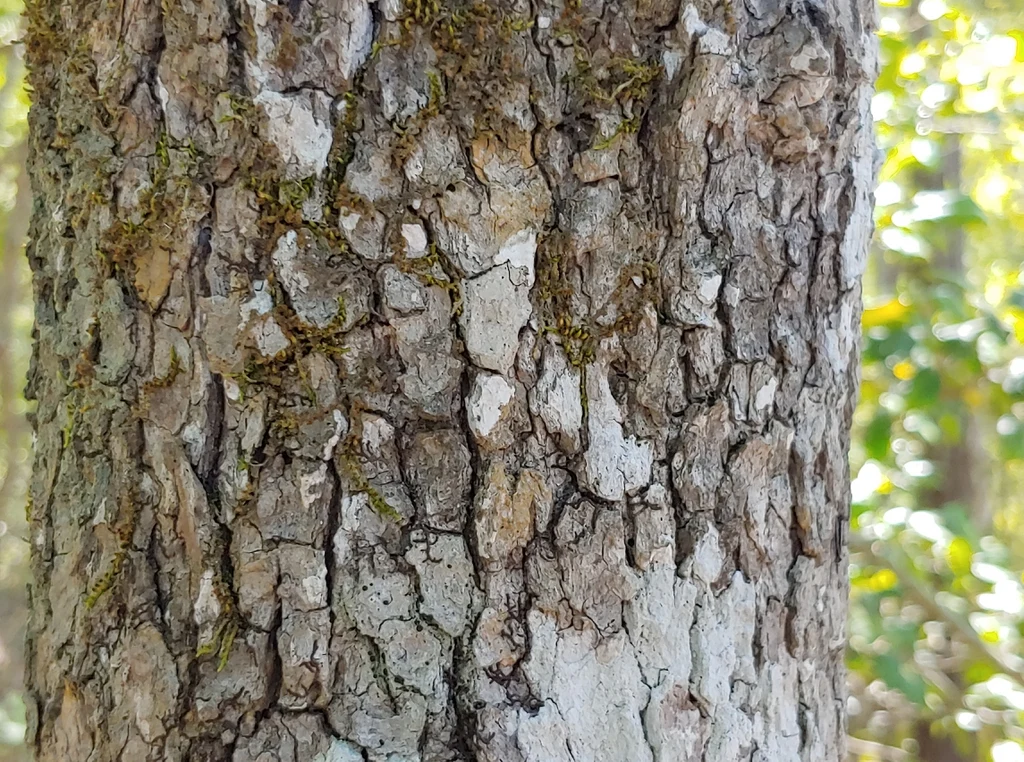
Mature bark is gray-brown and furrowed; some twigs develop corky wings.
Fruit & seed
Round prickly woody fruit heads often persist into winter. Fruit production and tree habit vary among garden trees.
Winter character
Persistent spiky fruit heads and sometimes corky twigs help identify bare trees.
Origin & place
The species occurs naturally in the southern Appalachian region; a planted specimen is not evidence of wild local origin.
WNC Notes
A large native tree with variable habit and fall color. Prickly fruit heads can litter walks and patios; plan placement carefully.
Sun Exposure
Full sun–part shade
MATURE HEIGHT (FT)
60–100
MATURE WIDTH (FT)
40–50
BLOOM SEASON
Spring
BLOOM COLOR
Catkins
FALL / WINTER COLOR
Yellow-brown
Wet-Soil Tolerance
Moderate–high
Drought Tolerance
Low
At Lynn’s Nursery · Slender Silhouette
Liquidambar styraciflua Summer/Fall 2026 catalog. Confirm current availability with the nursery. Mature height × width: 40–60 ft × 6–8 ft. Light: Full sun. Habit: Very narrow, upright shade tree. Flowers & season: Inconspicuous; spring. Columnar screen; still needs deep root space.