Wildlife & landscape pests · Western North Carolina field companion
Roseslug sawflies
Endelomyia aethiops and relatives
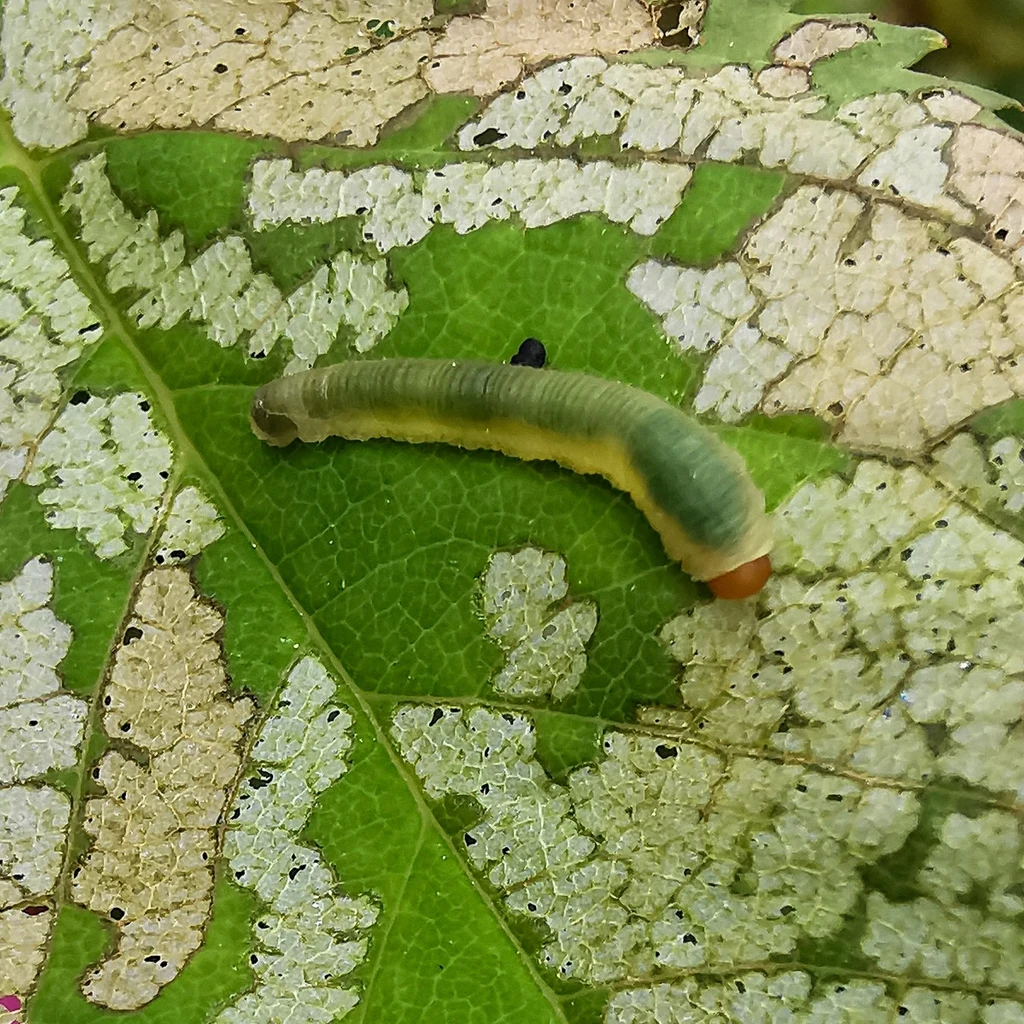
Roseslug larva with scraped, windowpaned foliageTeppo Savinen ↗ · CC BY 4.0Photo contextEndelomyia aethiops is shown as one of several rose-feeding sawflies.
Windowpanes in rose leaves can be the work of tiny green sawfly larvae.
Translucent scraped patches dry brown; heavier feeding leaves holes or a skeleton of veins.
Before you act
Check both leaf surfaces, especially undersides, before the small larvae disappear from view.
A sensible first response
Dislodge or remove small populations and preserve predators. Damage is often cosmetic; caterpillar-specific Bt will not control these sawfly larvae.
When to look
Begin checking in spring; some related roseslug species have later generations.
In Western North Carolina
A group profile for rose gardens; a reference photograph does not distinguish every roseslug species.
Identification, lookalikes & further notes
Identification
Small pale-green larvae blend into leaves; roseslug species differ in bristles, shape, and seasonal timing.
Lookalikes & limits
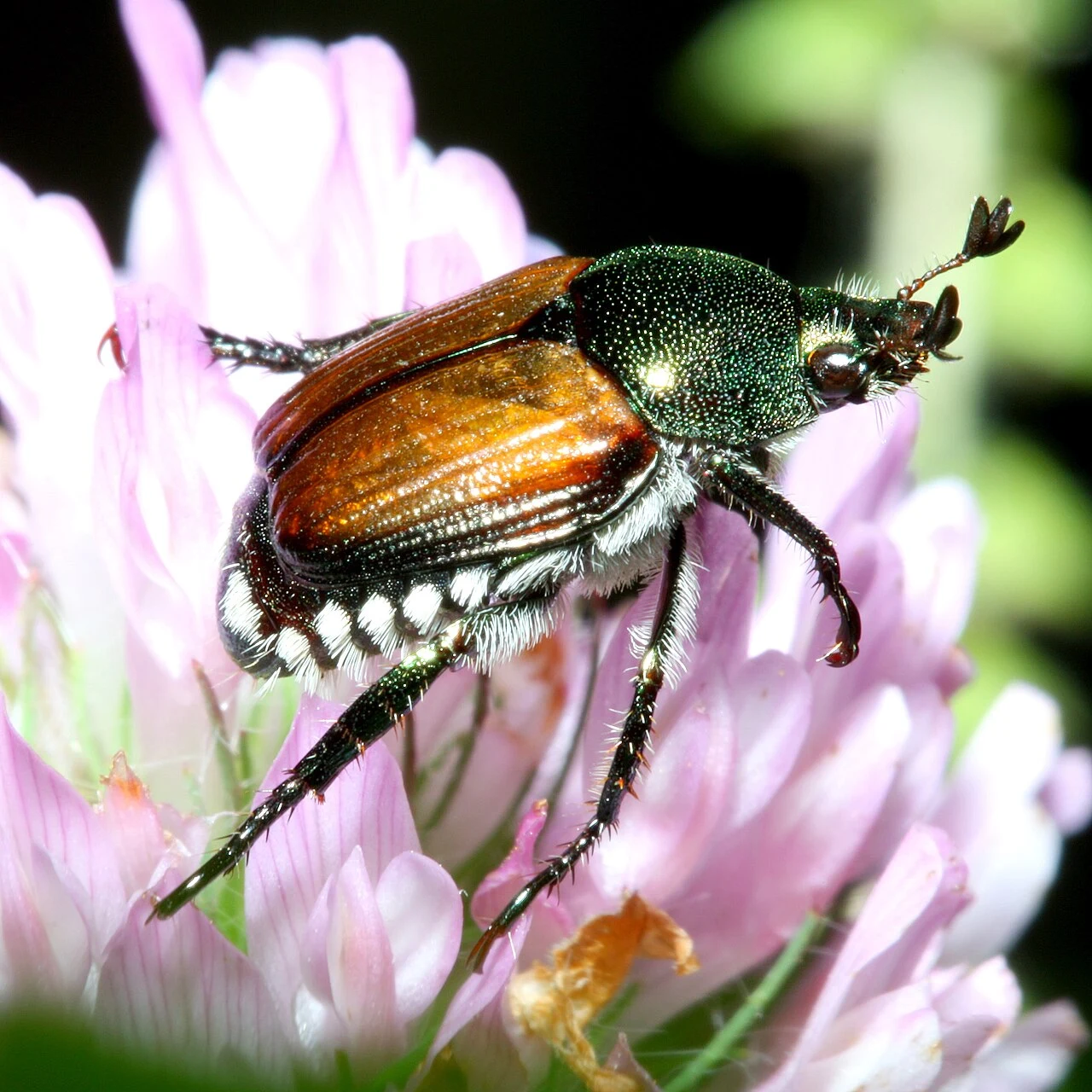
True slugs leave slime and have no caterpillar-like legs. Japanese beetles and other rose chewers leave different accompanying evidence.
In the garden
Translucent scraped patches dry brown; heavier feeding leaves holes or a skeleton of veins.
What would help next
Record the host plant, date, fresh damage, and a clear photograph of the animal or insect. A damage match narrows the search; it does not establish an identification.
LOOK CLOSELY
Compare the clues.
Compare the animal or insect, its life stage, and signs of activity. Similar damage can have different causes. Images are not at the same scale; species references may show different cultivars.
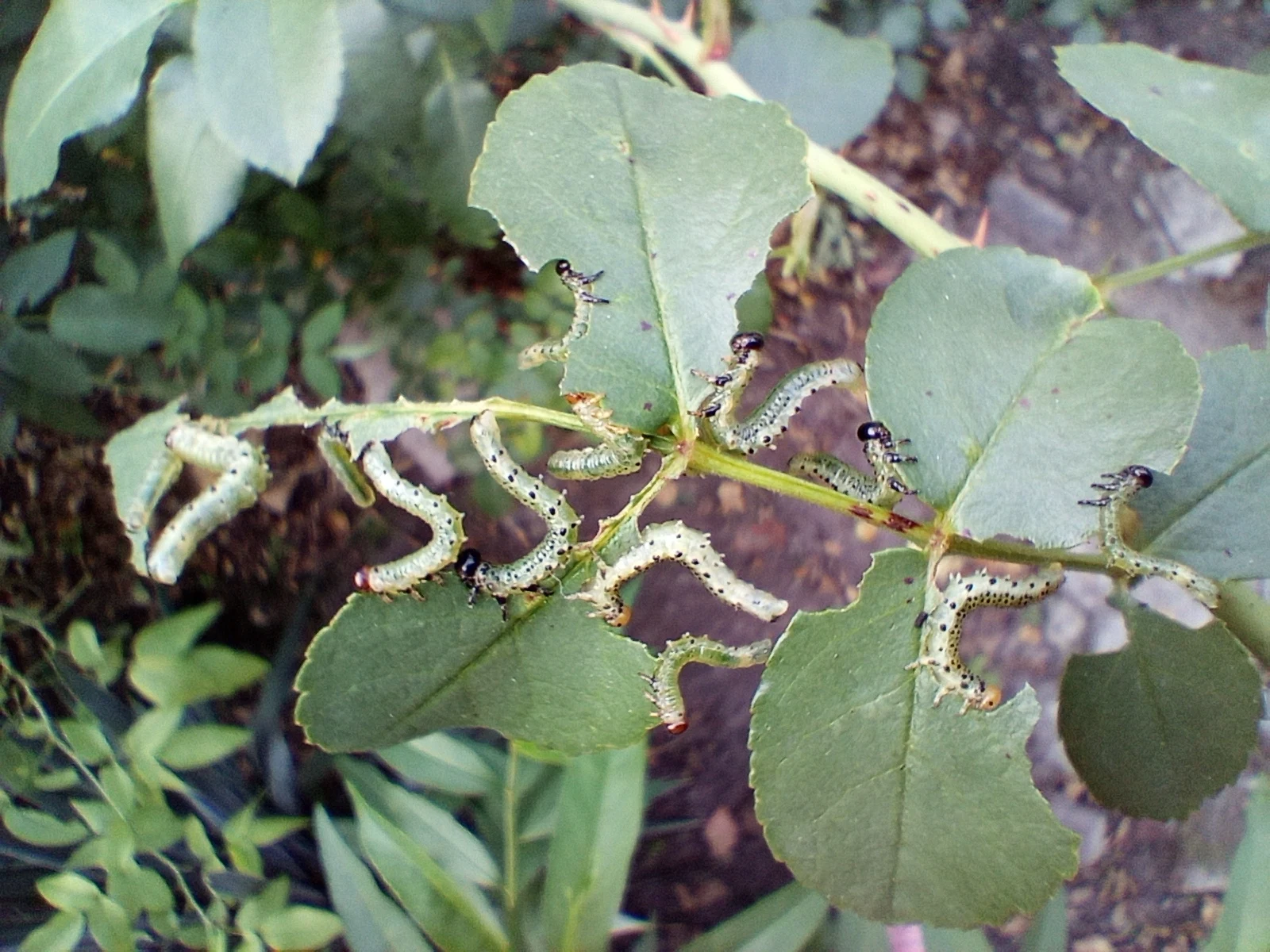
Roseslug larva with scraped, windowpaned foliageTeppo Savinen ↗ · CC BY 4.0Photo contextEndelomyia aethiops is shown as one of several rose-feeding sawflies.Related rose sawfly larvae feeding on a rose leafNatalka Ukraine (baby-bear.org) ↗ · CC BY 4.0Photo contextThis photograph shows Arge ochropus, a different rose sawfly. It illustrates chewing on a rose leaf; compare the actual larva and fresh damage before identifying a roseslug. Resized and converted to WebP; full composition retained.Compare: Japanese beetle · Japanese beetle · coppery wing covers and white side tuftsBruce Marlin ↗ · CC BY 3.0Photo contextThe adult foliage feeder is shown. This does not revise the identification of Holly’s original uncertain leaf-beetle image.