Trees & woodland lore · Western North Carolina field companion
Japanese tree lilac
Syringa reticulata
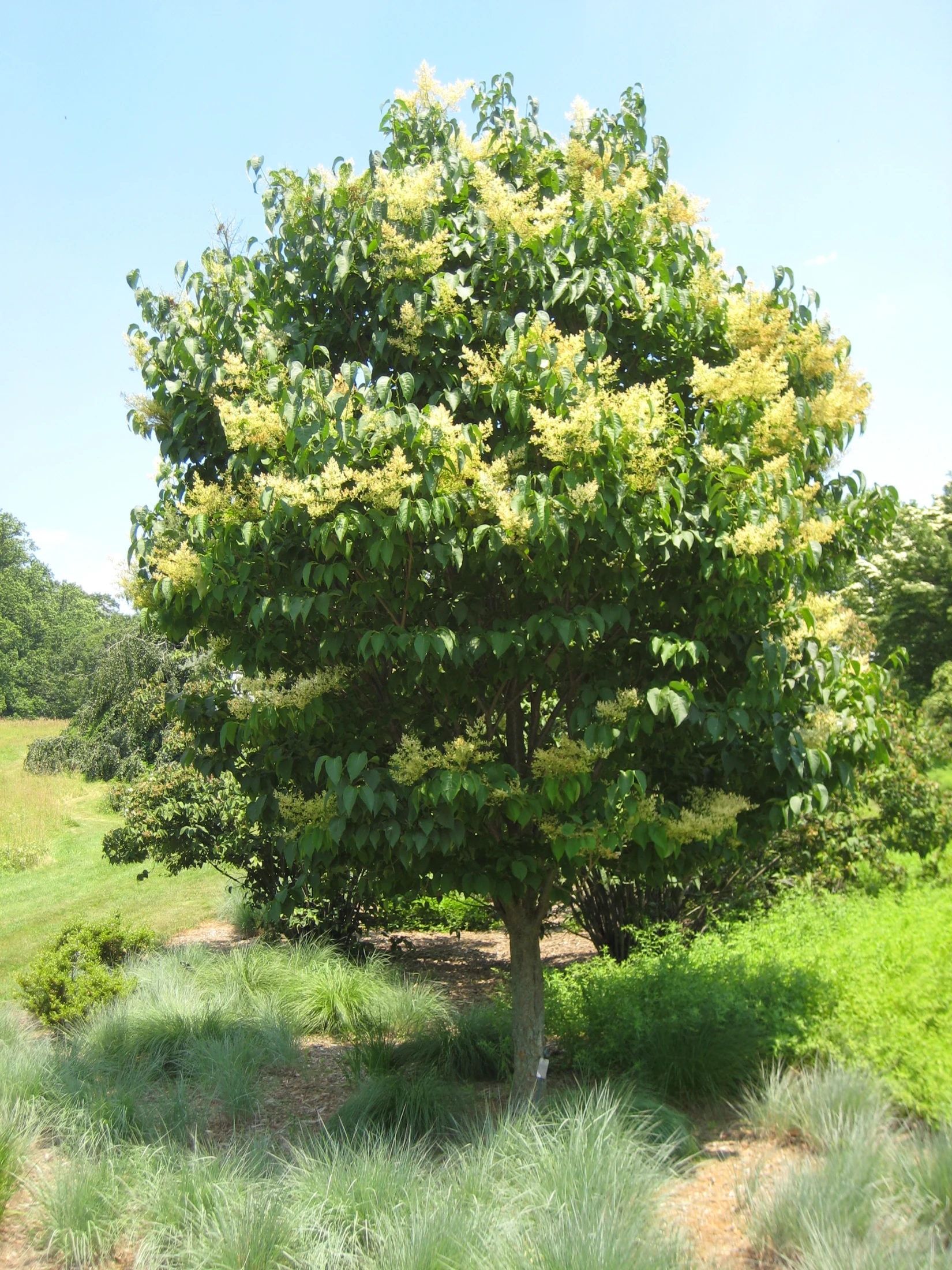
Whole tree — Syringa reticulata. Species reference; the photographed specimen does not confirm the named variety. Age, pruning, and site affect its shape.☀ Full sun · ◐ Part sun or part shadeTheKohser - Gregory Kohs ↗ · CC BY-SA 3.0Photo contextResized and converted to WebP; full original composition retained.
Problems to recognize in WNC gardens. These are documented susceptibilities, not a local outbreak report or a diagnosis. Weather, elevation and growing conditions change the risk.
Diseases & similar-looking injury
Generally has few problems and is relatively resistant to powdery mildew and bacterial blight.
Insects to recognize
Generally less troubled by scale and borers than many lilacs, though inspection is still useful.
When to look
Inspect new shoots and leaves from spring into summer.
A useful first step
Monitor overall vigor; investigate progressive dieback rather than treating minor blemishes automatically.
More growing details
Read the leaves
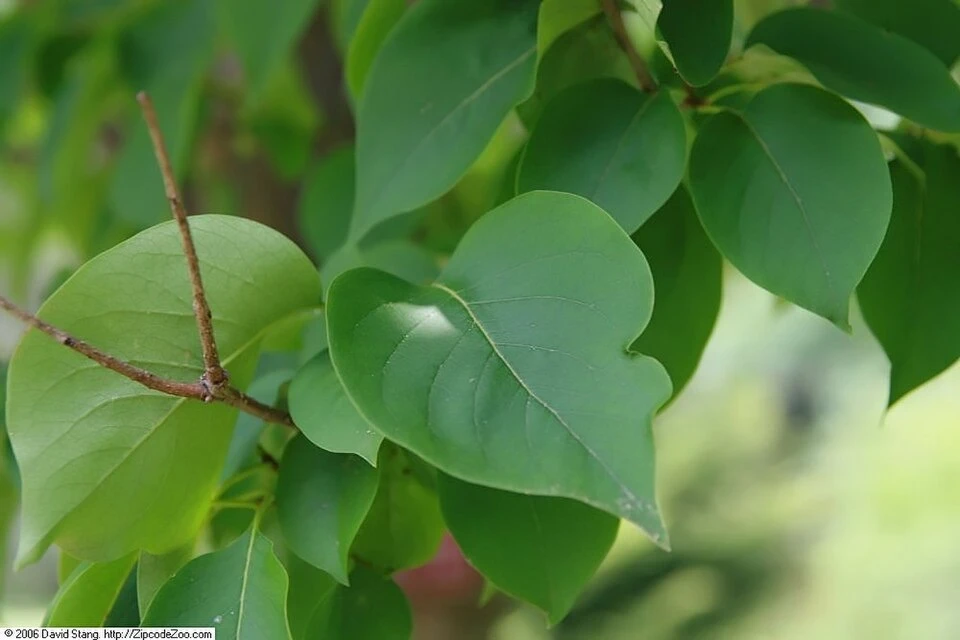
Opposite oval leaves have smooth margins and a pointed tip. Follow paired buds along the twig.
Read the bark
Brown bark shows pale horizontal lenticels, especially on younger stems.
Fruit & seed
Dry brown capsules follow the creamy flower clusters and may persist.
Winter character
Paired buds and horizontal bark lenticels support tree-lilac identification.
Origin & place
An introduced garden species or horticultural hybrid; study it as part of WNC landscapes rather than assume it belongs to the native mountain flora.
WNC Notes
A small flowering tree. Provide enough light and room for the mature crown; flowering varies with weather and tree age.
Sun Exposure
Full sun–part shade
MATURE HEIGHT (FT)
25–30
MATURE WIDTH (FT)
15–20
BLOOM SEASON
Early summer
BLOOM COLOR
Catkins
FALL / WINTER COLOR
Yellow-brown
Wet-Soil Tolerance
Moderate–high
Drought Tolerance
Low
LOOK CLOSELY
Two views, a closer look.
Place two photographs beside one another. Compare the overall plant with leaves, flowers, or bark when those views are available. Captions identify what each photograph actually shows. Images are not at the same scale; species references may show different cultivars.
Whole tree — Syringa reticulata. Species reference; the photographed specimen does not confirm the named variety. Age, pruning, and site affect its shape.☀ Full sun · ◐ Part sun or part shadeTheKohser - Gregory Kohs ↗ · CC BY-SA 3.0Photo contextResized and converted to WebP; full original composition retained.Japanese tree lilac leaves, identified as the named cultivar by the photographic source. Compare opposite leaf pairs and smooth margins.☀ Full sun · ◐ Part sun or part shadePhoto by David J. Stang ↗ · CC BY-SA 4.0Photo contextResized and converted to WebP; no diagnostic content altered.
Your margin of the garden.
Saved only in this browser on this device. Export your notes from My garden in the library.