Trees & woodland lore · Western North Carolina field companion
Serbian spruce
Picea omorika
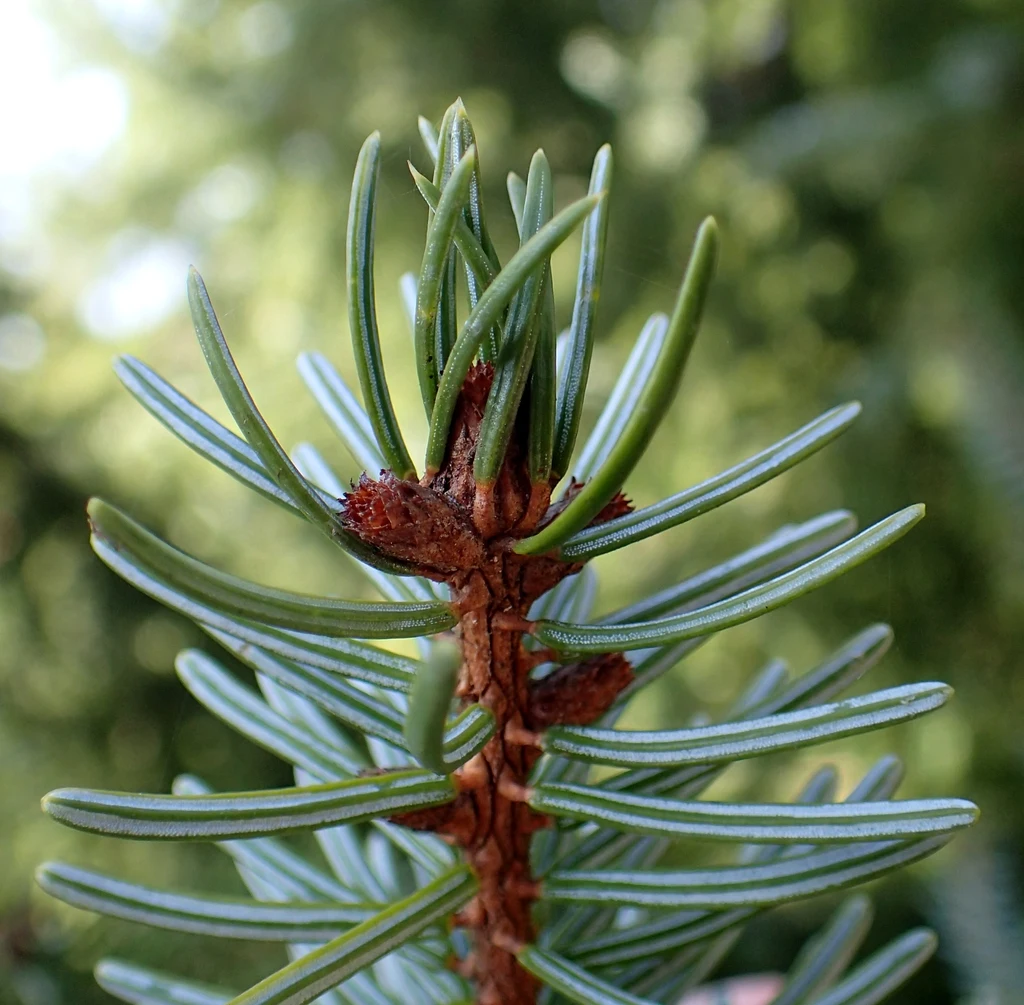
Foliage. Taxon reference; photograph alone does not establish a named cultivar.☀ Full sunKrzysztof Ziarnek, Kenraiz ↗ · CC BY-SA 4.0Photo contextResized and converted to WebP; no diagnostic content altered.
Graceful narrow spruce with better heat tolerance than many spruces; avoid wet soil.
Unlike many spruces, the individual needles are relatively flat. They attach to persistent woody pegs and show pale underside bands.
More growing details
Read the bark
Gray-brown bark becomes thin and scaly.
Fruit & seed
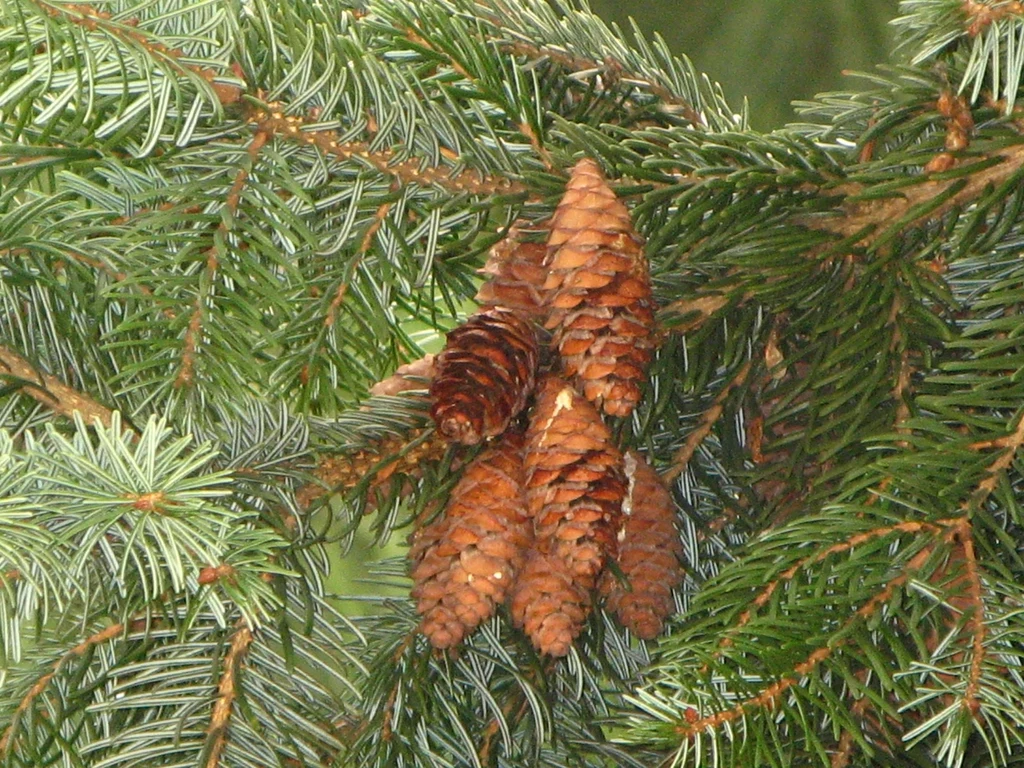
Small hanging cones have thin scales and mature brown.
Winter character
Evergreen needles plus rough peg-covered twigs support spruce identification.
Origin & place
An introduced garden species or horticultural hybrid; study it as part of WNC landscapes rather than assume it belongs to the native mountain flora.
Compare with Norway spruce
Norway spruce has more angular needles and much longer cones.
WNC Notes
Graceful narrow spruce with better heat tolerance than many spruces; avoid wet soil.
Sun Exposure
Full sun
MATURE HEIGHT (FT)
40–60
MATURE WIDTH (FT)
15–25
BLOOM SEASON
Spring
BLOOM COLOR
Inconspicuous
FALL / WINTER COLOR
Evergreen
Wet-Soil Tolerance
Moderate
Drought Tolerance
Moderate
LOOK CLOSELY
Two views, a closer look.
Place two photographs beside one another. Compare the overall plant with leaves, flowers, or bark when those views are available. Captions identify what each photograph actually shows. Images are not at the same scale; species references may show different cultivars.
Foliage. Taxon reference; photograph alone does not establish a named cultivar.☀ Full sunKrzysztof Ziarnek, Kenraiz ↗ · CC BY-SA 4.0Photo contextResized and converted to WebP; no diagnostic content altered.Cone — species reference; cultivar identity not inferred.☀ Full sunCrusier ↗ · CC BY 3.0Photo contextResized and converted to WebP; full original composition retained.
Your margin of the garden.
Saved only in this browser on this device. Export your notes from My garden in the library.