Trees & woodland lore · Western North Carolina field companion
Black gum
Nyssa sylvatica
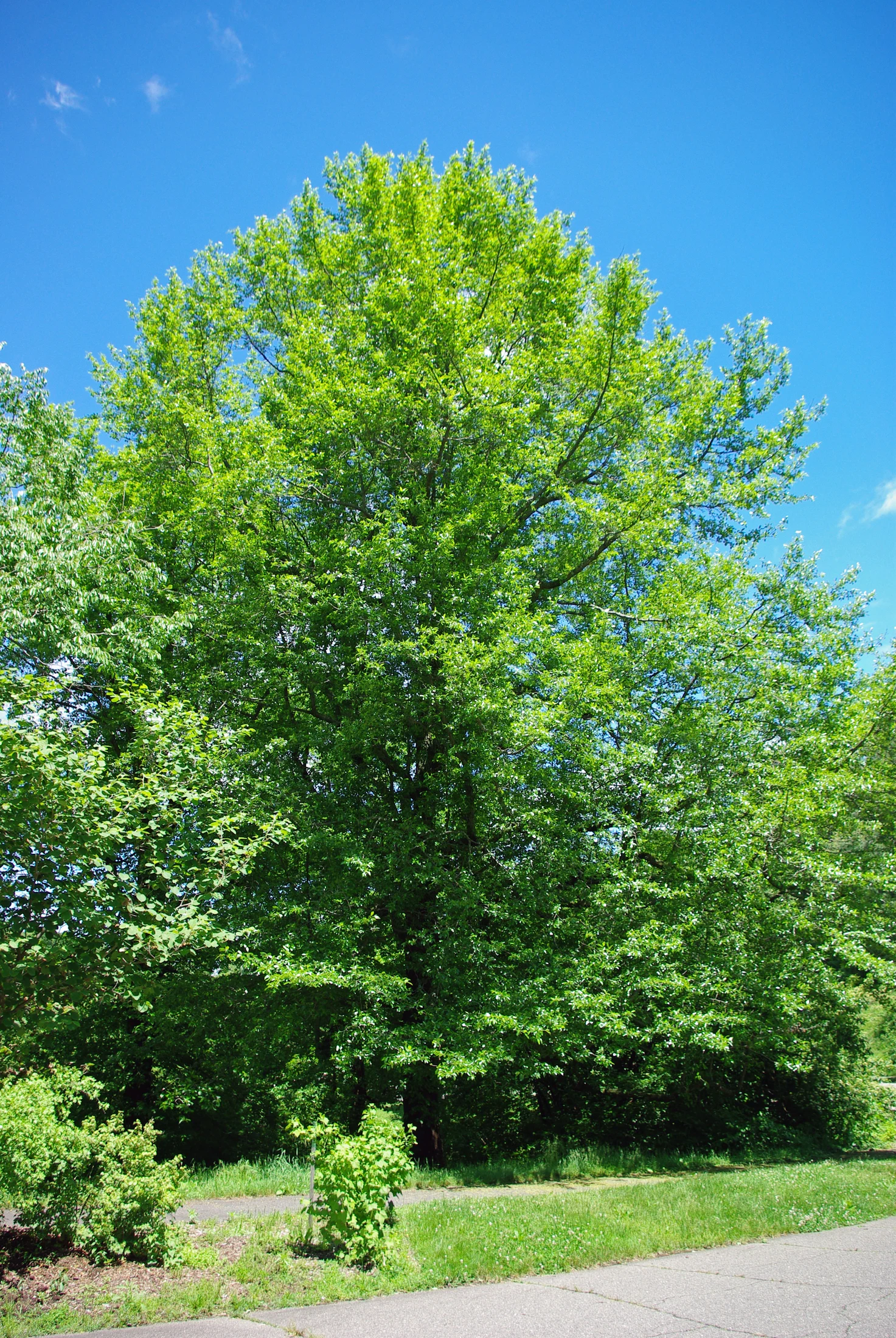
Whole tree — Nyssa sylvatica. Species reference; the photographed specimen does not confirm the named variety. Age, pruning, and site affect its shape.☀ Full sun · ◐ Part sun or part shadeBostonian13 ↗ · CC BY-SA 3.0Photo contextResized and converted to WebP; full original composition retained.
Problems to recognize in WNC gardens. These are documented susceptibilities, not a local outbreak report or a diagnosis. Weather, elevation and growing conditions change the risk.
Diseases & similar-looking injury
Leaf spots, cankers and rust are possible; persistent dieback deserves investigation.
Insects to recognize
Leafminers and scale are occasional pests.
When to look
Inspect foliage and twigs during summer; compare affected and healthy branches.
A useful first step
Support appropriate moisture and have repeated canopy thinning diagnosed.
More growing details
Read the leaves
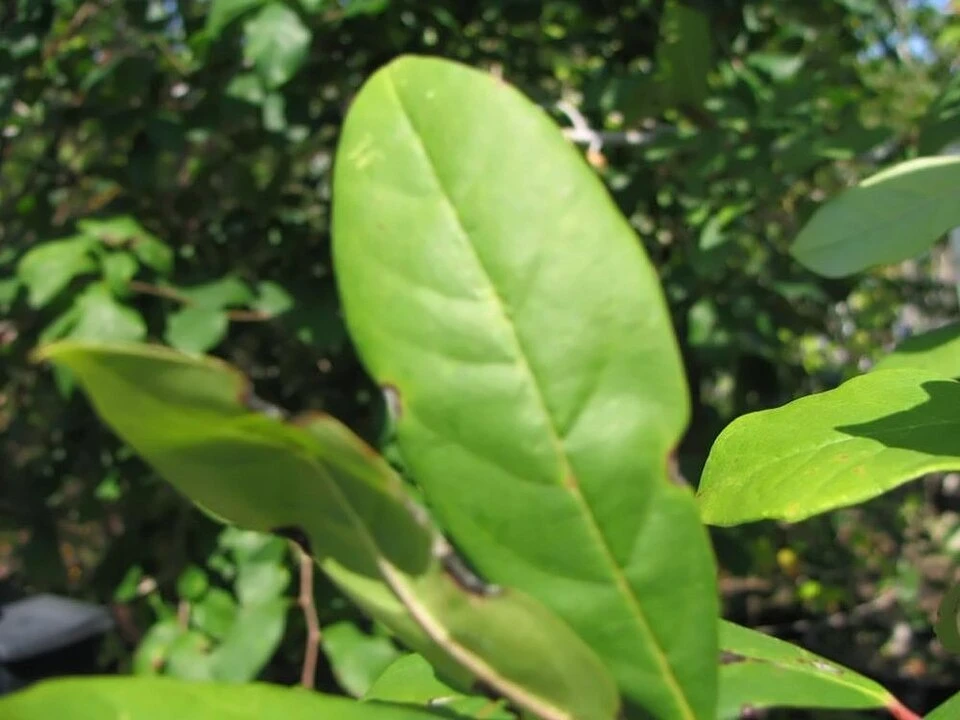
An oval to obovate blade usually lacks teeth. Compare the whole twig because an occasional leaf may vary.
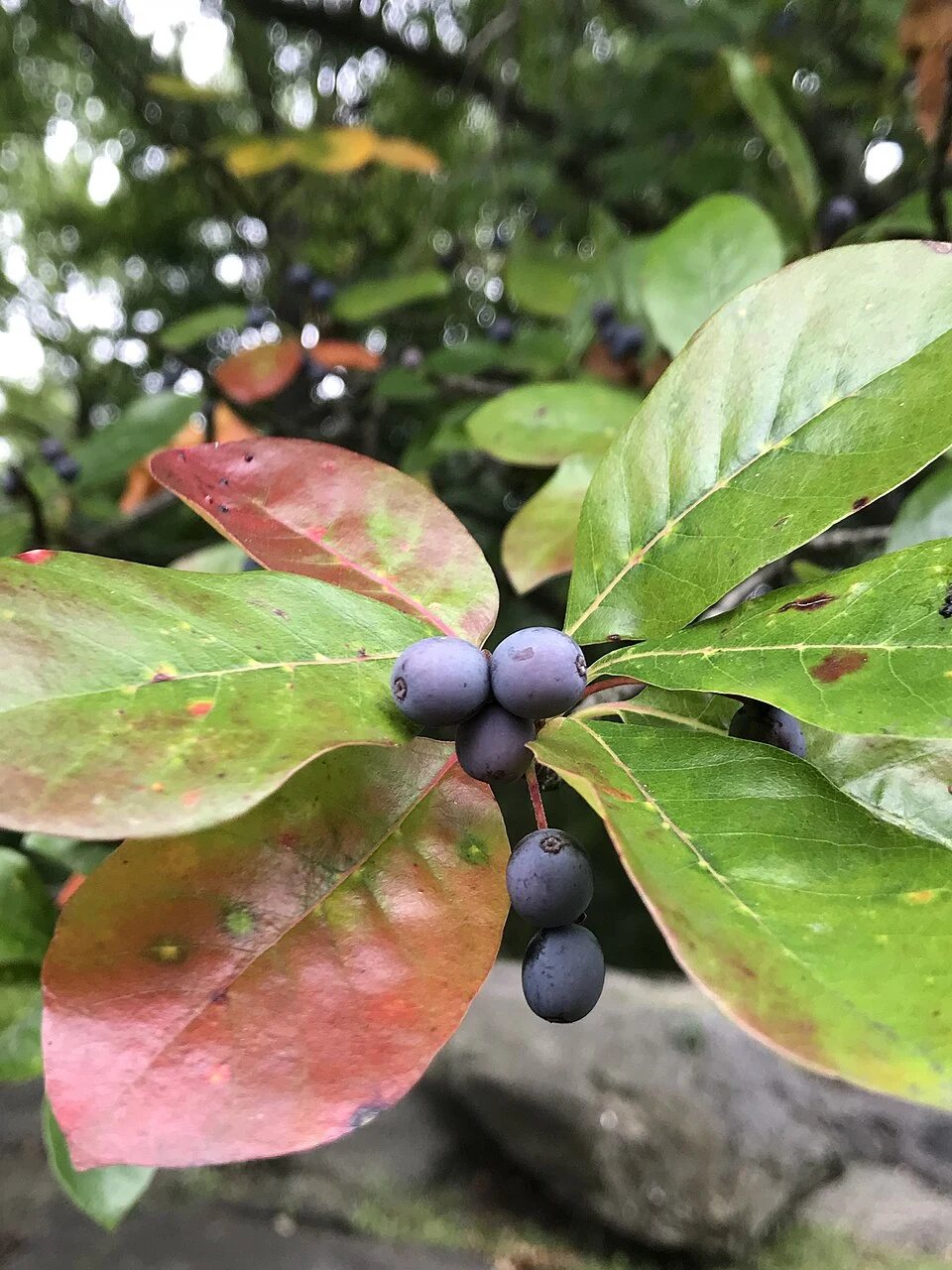
Small dark fruits usually occur singly or in little clusters on slender stalks.
Winter character
Alternate buds and angular, often horizontal branches offer supporting clues.
Origin & place
The species occurs naturally in the southern Appalachian region; a planted specimen is not evidence of wild local origin.
WNC Notes
A native tree with variable fall color. Plan for its mature crown and allow a suitable root zone.
Sun Exposure
Full sun–part shade
MATURE HEIGHT (FT)
40–70
MATURE WIDTH (FT)
20–35
BLOOM SEASON
Spring
BLOOM COLOR
Greenish
FALL / WINTER COLOR
Scarlet-orange
Wet-Soil Tolerance
High
Drought Tolerance
Low
At Lynn’s Nursery · Wildfire
Nyssa sylvatica Summer/Fall 2026 catalog. Confirm current availability with the nursery. Mature height × width: 30–50 ft × 20–30 ft. Light: Full sun to part shade. Habit: Pyramidal to rounded shade tree. Flowers & season: Small greenish flowers; spring. Brilliant red fall foliage; favors acidic soil.
LOOK CLOSELY
Two views, a closer look.
Place two photographs beside one another. Compare the overall plant with leaves, flowers, or bark when those views are available. Captions identify what each photograph actually shows. Images are not at the same scale; species references may show different cultivars.
Whole tree — Nyssa sylvatica. Species reference; the photographed specimen does not confirm the named variety. Age, pruning, and site affect its shape.☀ Full sun · ◐ Part sun or part shadeBostonian13 ↗ · CC BY-SA 3.0Photo contextResized and converted to WebP; full original composition retained.Black gum leaf: a glossy, simple blade with a mostly smooth edge. Species reference; leaf form alone does not establish.☀ Full sun · ◐ Part sun or part shadePhoto by David J. Stang ↗ · CC BY-SA 4.0Photo contextResized and converted to WebP; no diagnostic content altered.Black gum leaves and ripe fruit — species reference; named cultivar identity not inferred.☀ Full sun · ◐ Part sun or part shadeKATHERINE WAGNER-REISS ↗ · CC BY-SA 4.0Photo contextResized and converted to WebP; original composition retained.
Your margin of the garden.
Saved only in this browser on this device. Export your notes from My garden in the library.