Skip to the profile
THE GARDEN SAGEA library of living things
Trees & woodland lore · Western North Carolina field companion

Red maple

Acer rubrum

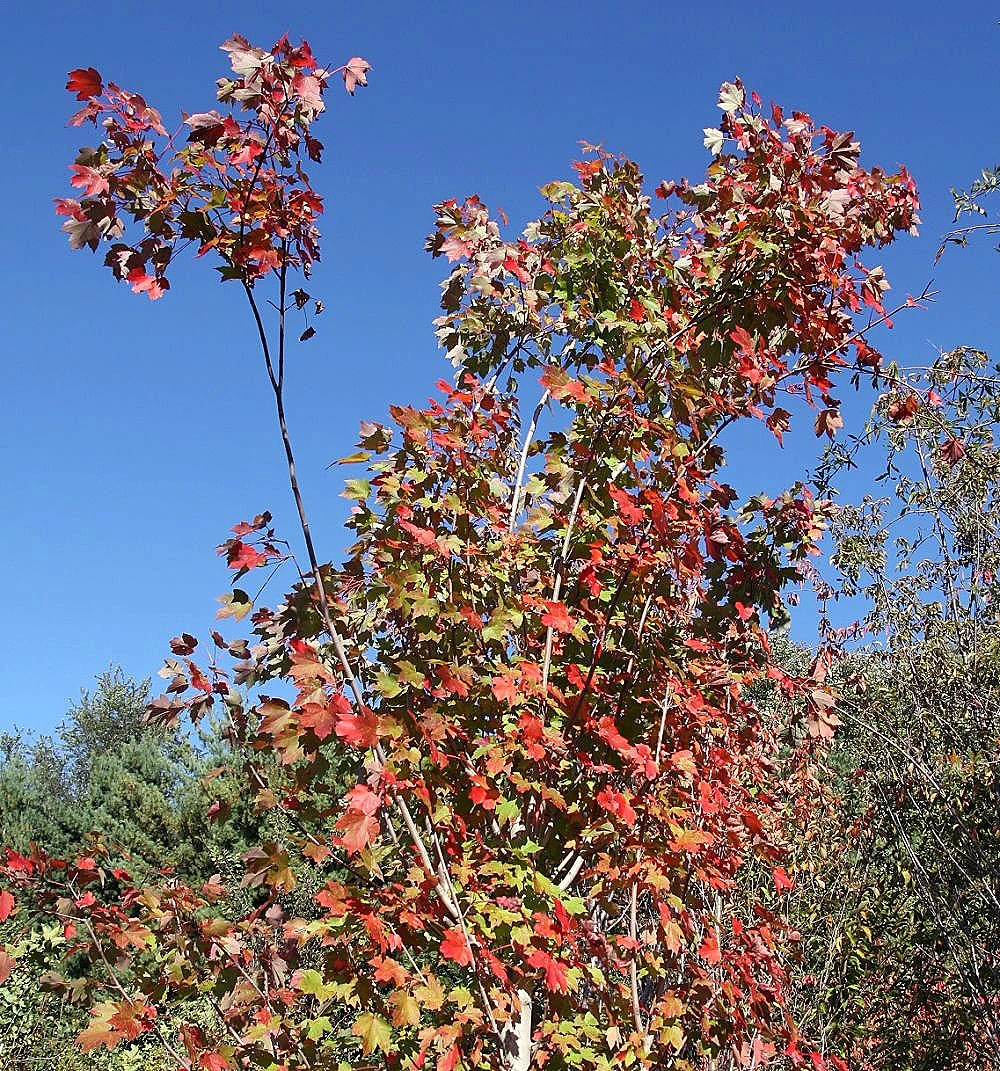
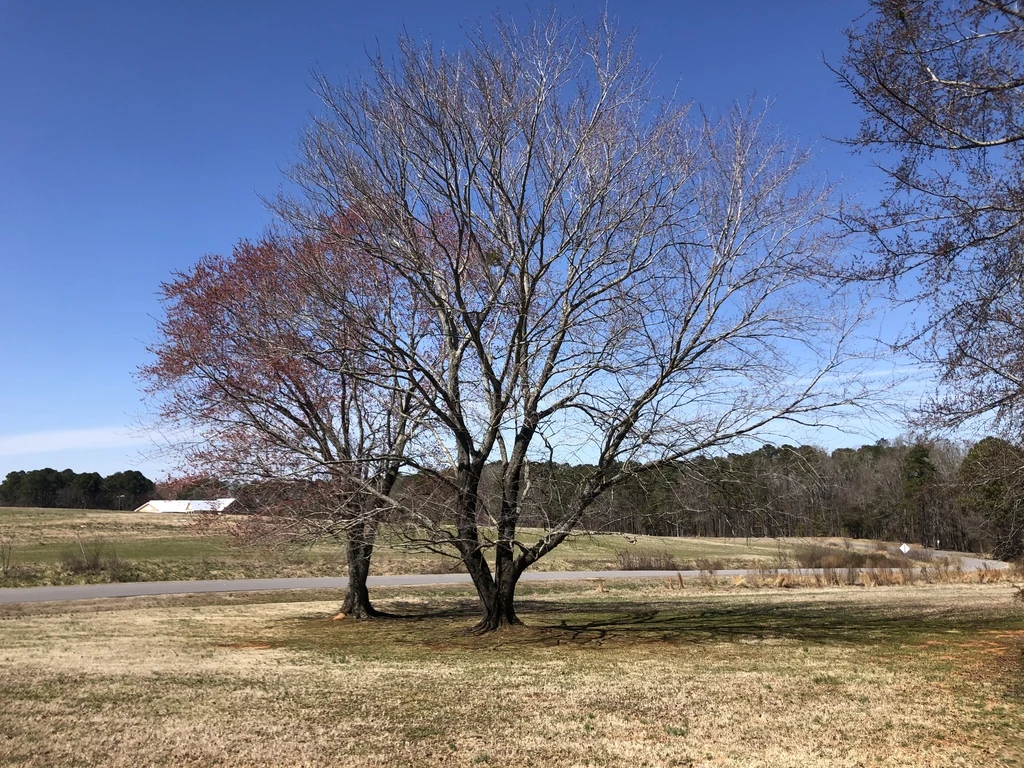
Whole tree — Acer rubrum. Species reference; the photographed specimen does not confirm the named variety. Age, pruning, and site affect its shape.
Whole tree — Acer rubrum. Species reference; the photographed specimen does not confirm the named variety. Age, pruning, and site affect its shape.☀ Full sun · ◐ Part sun or part shadeCathy Dewitt ↗ · CC BY 4.0
Photo contextResized and converted to WebP; full original composition retained.

Opposite leaves

Sun Exposure
Full sun–part shade
MATURE HEIGHT (FT)
40–120
MATURE WIDTH (FT)
30–50
BLOOM SEASON
Late winter–early spring
Open in the illustrated book →

Get to know this plant.

Identification clue 1

Opposite leaves

Identification clue 2

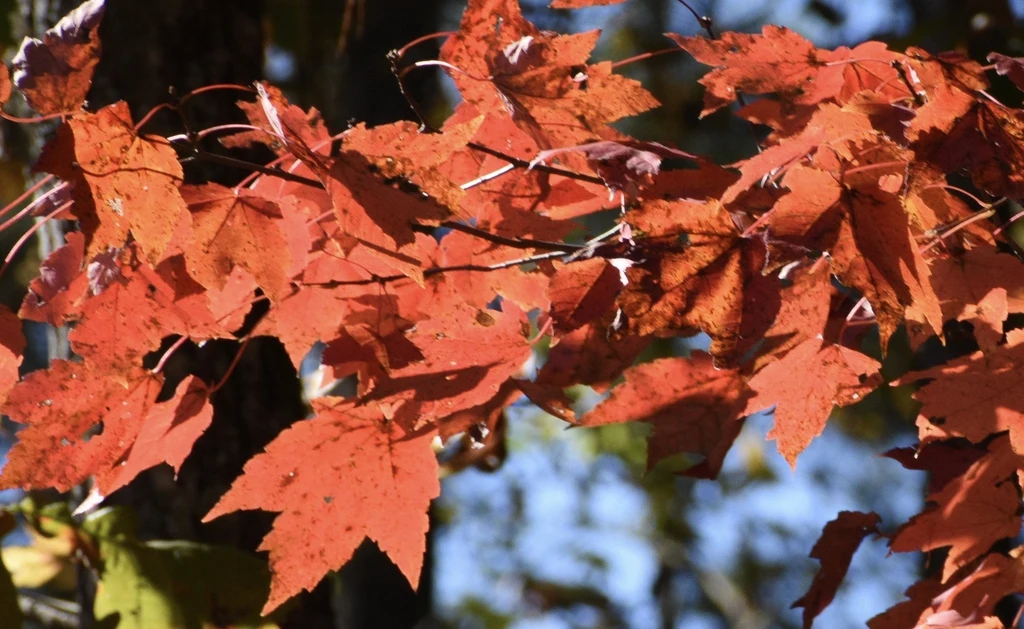
Toothed lobes with V-shaped sinuses

Identification clue 3

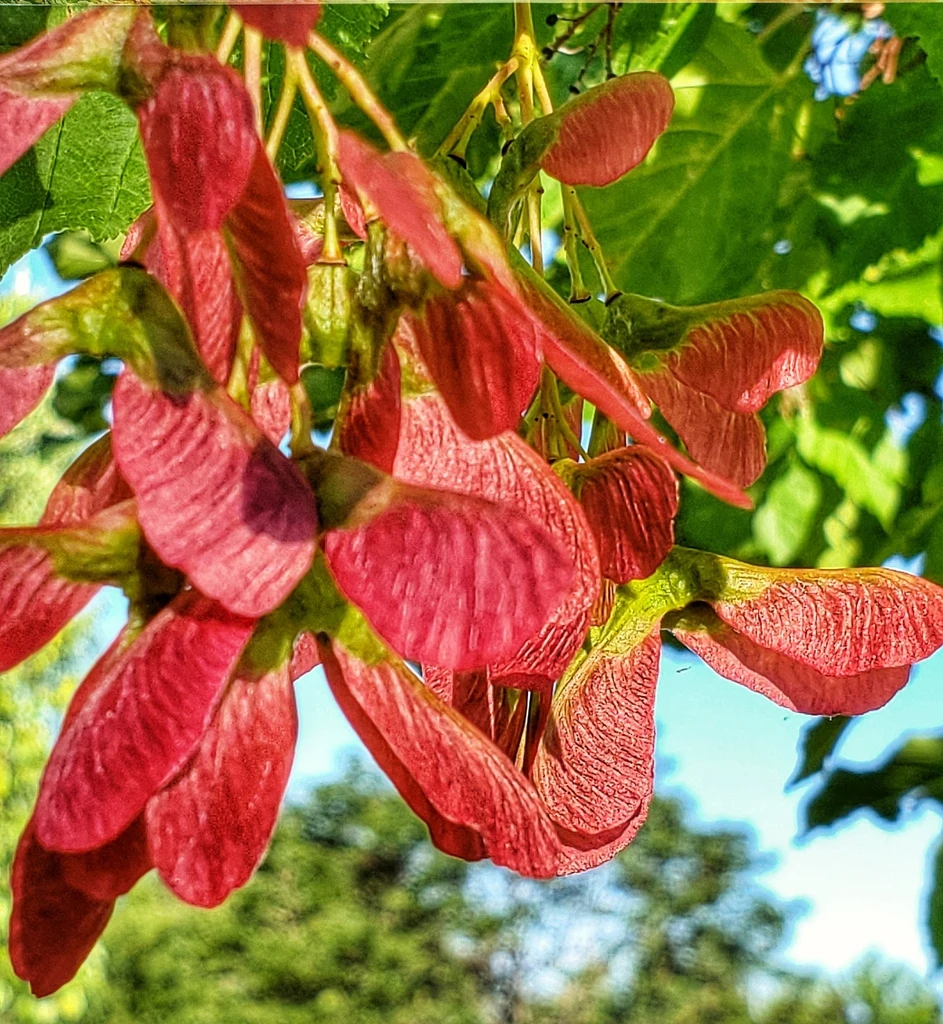
Paired samaras mature in spring

Diseases & insects in WNC

Problems to recognize in WNC gardens. These are documented susceptibilities, not a local outbreak report or a diagnosis. Weather, elevation and growing conditions change the risk.

Diseases & similar-looking injury

Leaf spots and cankers can occur; Verticillium wilt can cause branch wilt and decline.

Insects to recognize

Aphids, borers and scale are concerns. Gloomy scale is an important NC maple pest; inspect bark for dense small round coverings.

When to look

Look at twigs and bark year-round, and check new foliage through spring and summer.

A useful first step

Drought and hardscape stress increase problems. Photograph bark and wilting branches and confirm the cause before treatment.

More growing details

Read the leaves

Usually three or five lobes have visibly toothed edges. Compare the angular gaps with sugar maple's smoother U-shaped sinuses.

Read the bark

Smooth gray young bark becomes ridged and scaly with age.

Fruit & seed

Small paired samaras often blush red and mature in spring rather than fall.

Winter character

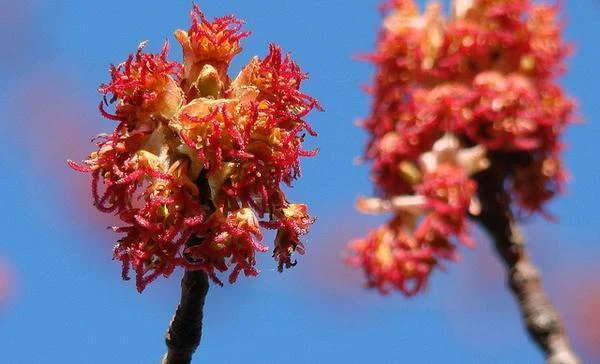
Rounded red flower buds clustered on opposite twigs can be useful.

Origin & place

The species occurs naturally in the southern Appalachian region; a planted specimen is not evidence of wild local origin.

WNC Notes

A native shade tree with variable fall color. Give roots adequate space and monitor stressed trees for scale and branch decline.

Sun Exposure

Full sun–part shade

MATURE HEIGHT (FT)

40–120

MATURE WIDTH (FT)

30–50

BLOOM SEASON

Late winter–early spring

BLOOM COLOR

Red

FALL / WINTER COLOR

Orange-red

Wet-Soil Tolerance

High

Drought Tolerance

Moderate

At Lynn’s Nursery · October Glory

Acer rubrum Summer/Fall 2026 catalog. Confirm current availability with the nursery. Mature height × width: 40–50 ft × 25–35 ft. Light: Full sun to part shade. Habit: Upright, oval shade tree. Flowers & season: Small red flowers; early spring. Fall-color shade tree; moist, acidic soil preferred.
LOOK CLOSELY

Two views, a closer look.

Place two photographs beside one another. Compare the overall plant with leaves, flowers, or bark when those views are available. Captions identify what each photograph actually shows. Images are not at the same scale; species references may show different cultivars.

Whole tree — Acer rubrum. Species reference; the photographed specimen does not confirm the named variety. Age, pruning, and site affect its shape.
Whole tree — Acer rubrum. Species reference; the photographed specimen does not confirm the named variety. Age, pruning, and site affect its shape.☀ Full sun · ◐ Part sun or part shadeCathy Dewitt ↗ · CC BY 4.0
Photo contextResized and converted to WebP; full original composition retained.
Species reference; does not confirm the named variety. Photograph subject: Acer rubrum
Species reference; does not confirm the named variety. Photograph subject: Acer rubrum☀ Full sun · ◐ Part sun or part shadeCathy Dewitt ↗ · CC BY 4.0
Photo contextResized and converted to WebP; full original composition retained.
Species reference; does not confirm the named variety. Photograph subject: Acer rubrum
Species reference; does not confirm the named variety. Photograph subject: Acer rubrum☀ Full sun · ◐ Part sun or part shadeWendy Cutler ↗ · CC BY 2.0
Photo contextResized and converted to WebP; full original composition retained.
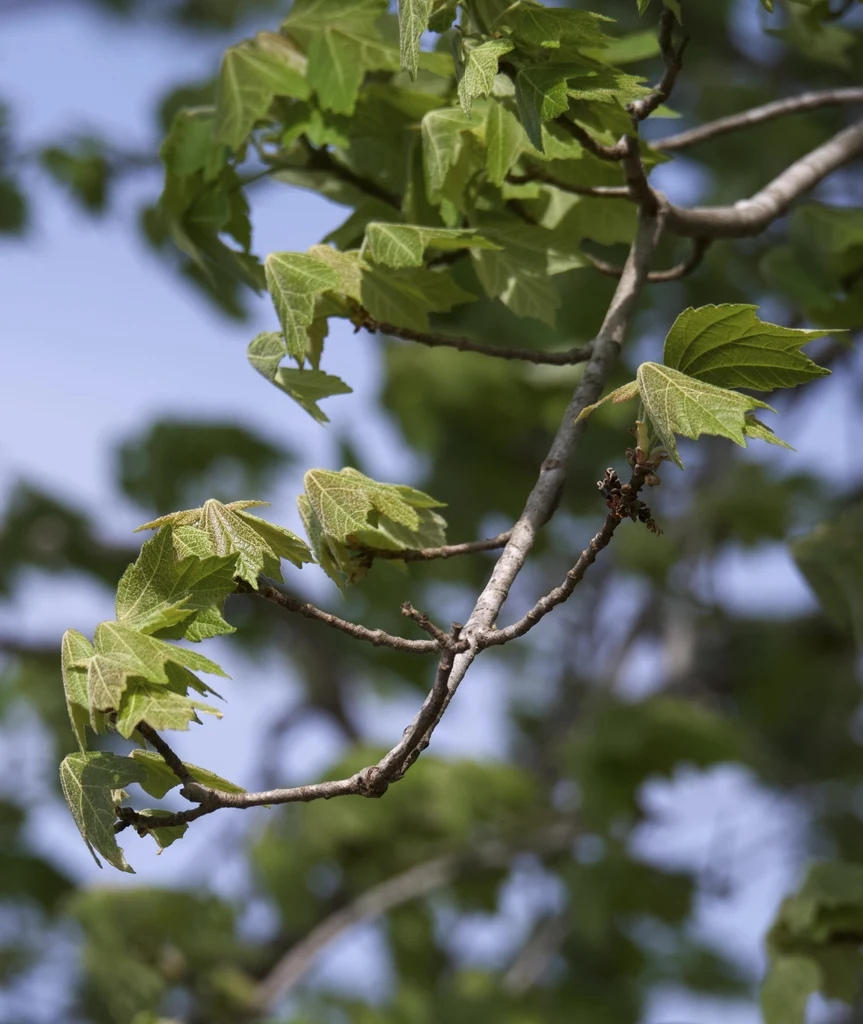
Species reference; does not confirm the named variety. Photograph subject: leaves emerging with bud clusters
Species reference; does not confirm the named variety. Photograph subject: leaves emerging with bud clusters☀ Full sun · ◐ Part sun or part shadeCathy DeWitt ↗ · CC BY 4.0
Photo contextResized and converted to WebP; full original composition retained.
red maple in autumn; cultivar named by the Wikimedia Commons contributor.
red maple in autumn; cultivar named by the Wikimedia Commons contributor.☀ Full sun · ◐ Part sun or part shadePhoto by David J. Stang ↗ · CC BY-SA 4.0
Photo contextResized and converted to WebP; no diagnostic content altered.
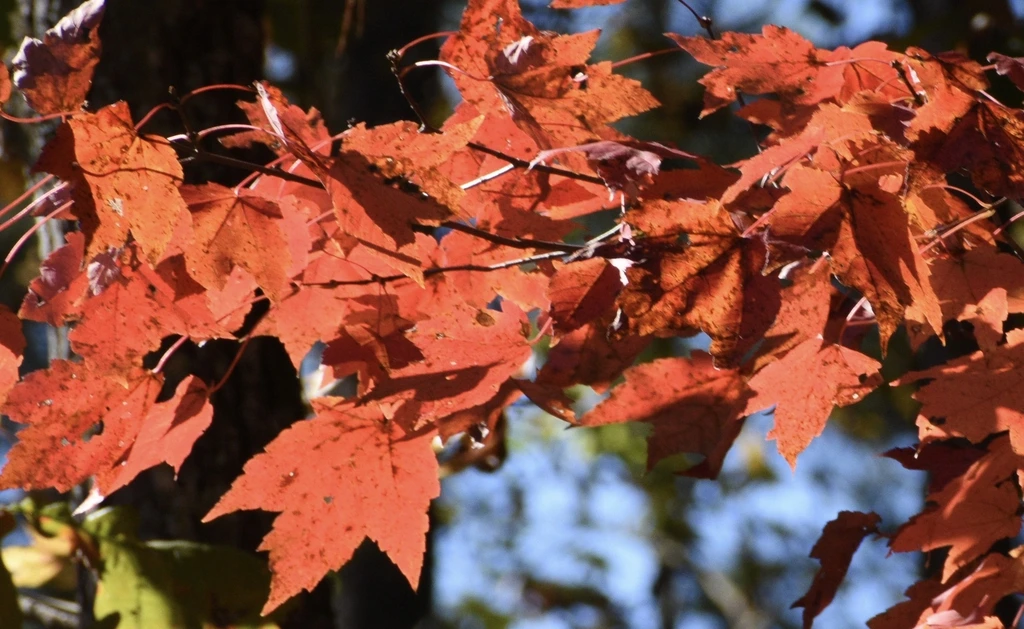
Red maple leaves in autumn. Notice the pointed lobes and toothed edges. Species reference; leaf form does not establish a named red maple cultivar.
Red maple leaves in autumn. Notice the pointed lobes and toothed edges. Species reference; leaf form does not establish a named red maple cultivar.☀ Full sun · ◐ Part sun or part shadeCathy Dewitt ↗ · CC BY 4.0
Photo contextResized and converted to WebP; no diagnostic content altered.
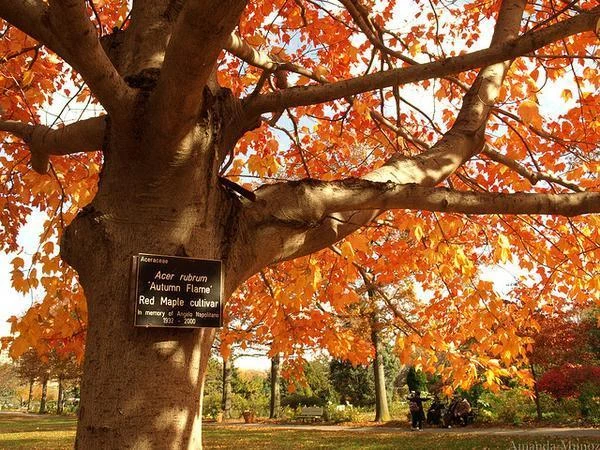
Trunk and branches of red maple — species reference; cultivar identity not inferred.
Trunk and branches of red maple — species reference; cultivar identity not inferred.☀ Full sun · ◐ Part sun or part shadeAmanda Munoz ↗ · CC BY 2.0
Photo contextResized and converted to WebP; full original composition retained.
Double-winged samaras have a red color. — species reference; cultivar identity not inferred.
Double-winged samaras have a red color. — species reference; cultivar identity not inferred.☀ Full sun · ◐ Part sun or part shadeCarol Jacobs-Carre ↗ · CC BY-SA 3.0
Photo contextResized and converted to WebP; full original composition retained.

Your margin of the garden.

Saved only in this browser on this device. Export your notes from My garden in the library.