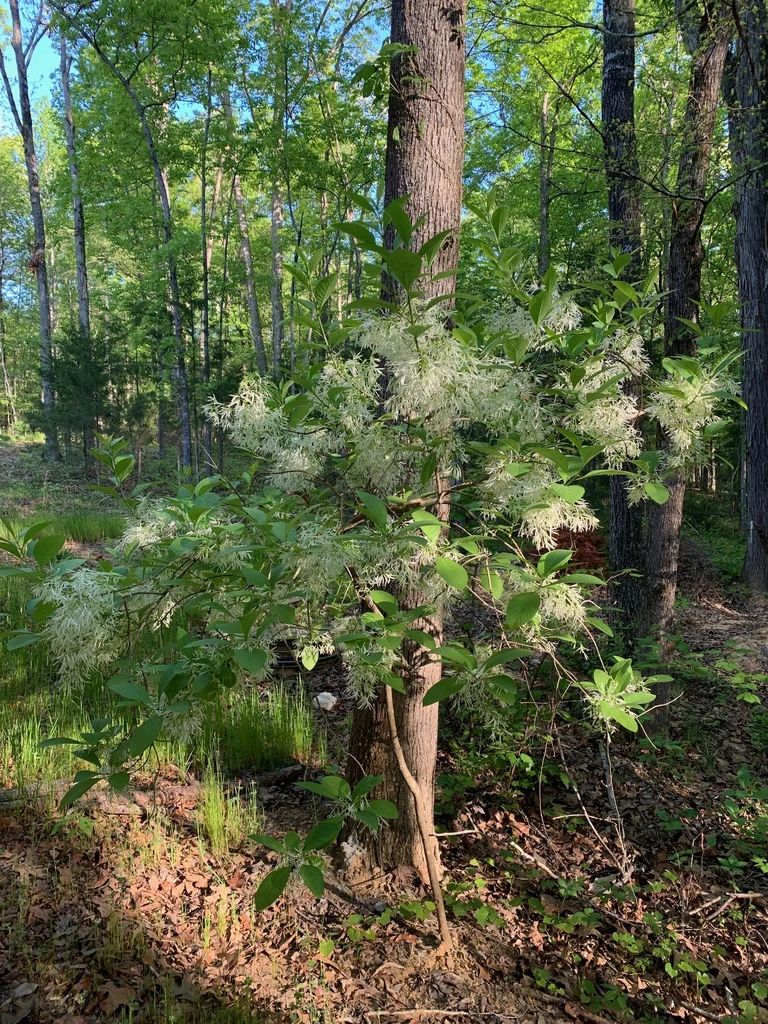
Get to know this plant.
Identification clue 1
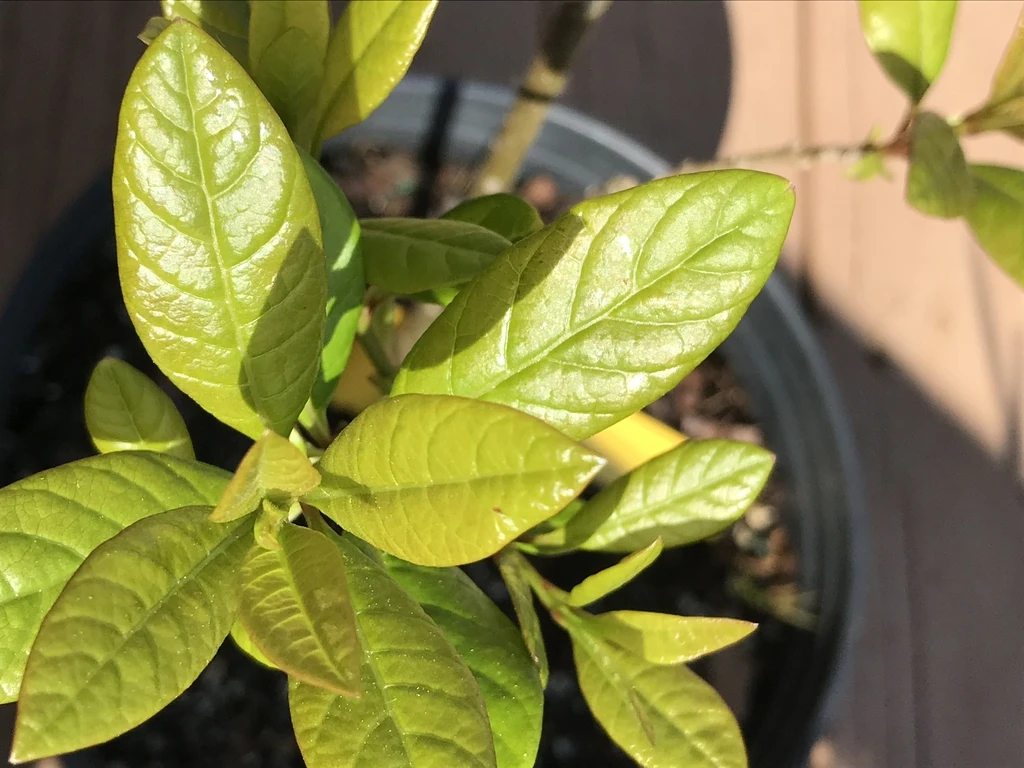
Opposite smooth-edged leaves
Identification clue 2
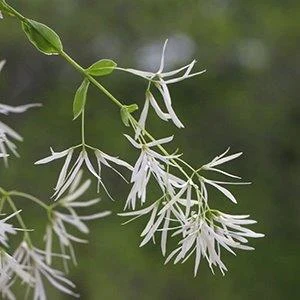
White flowers with ribbon-like petals
Identification clue 3
Blue-black fruits on female plants
Diseases & insects in WNC
Problems to recognize in WNC gardens. These are documented susceptibilities, not a local outbreak report or a diagnosis. Weather, elevation and growing conditions change the risk.
Diseases & similar-looking injury
No single major disease dominates the NC State profile; watch for stress-related decline.
Insects to recognize
Scale and borers can occur, especially after drought. Emerald ash borer can also attack fringetree; unexplained dieback needs expert inspection.
When to look
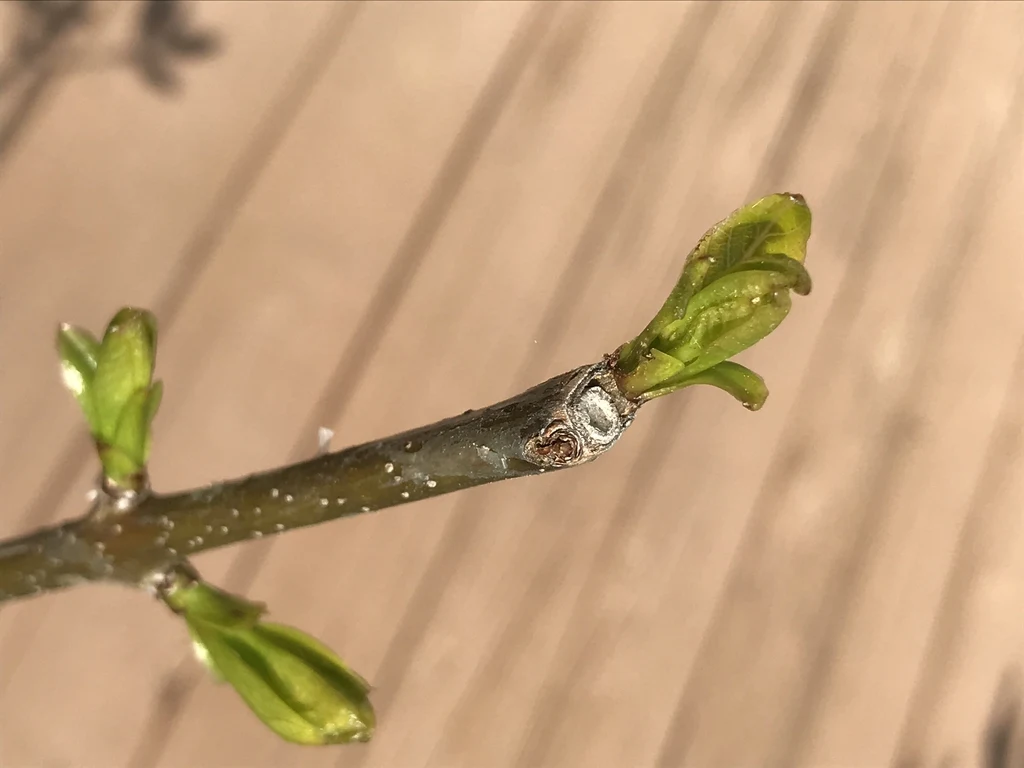
Inspect twig scales and thinning branches in spring and summer.
A useful first step
Maintain soil moisture during establishment and ask an arborist or Extension to assess progressive canopy thinning.
More growing details
Read the leaves
Broad, simple leaves occur opposite one another; inspect several nodes because leaf size varies.
Read the bark
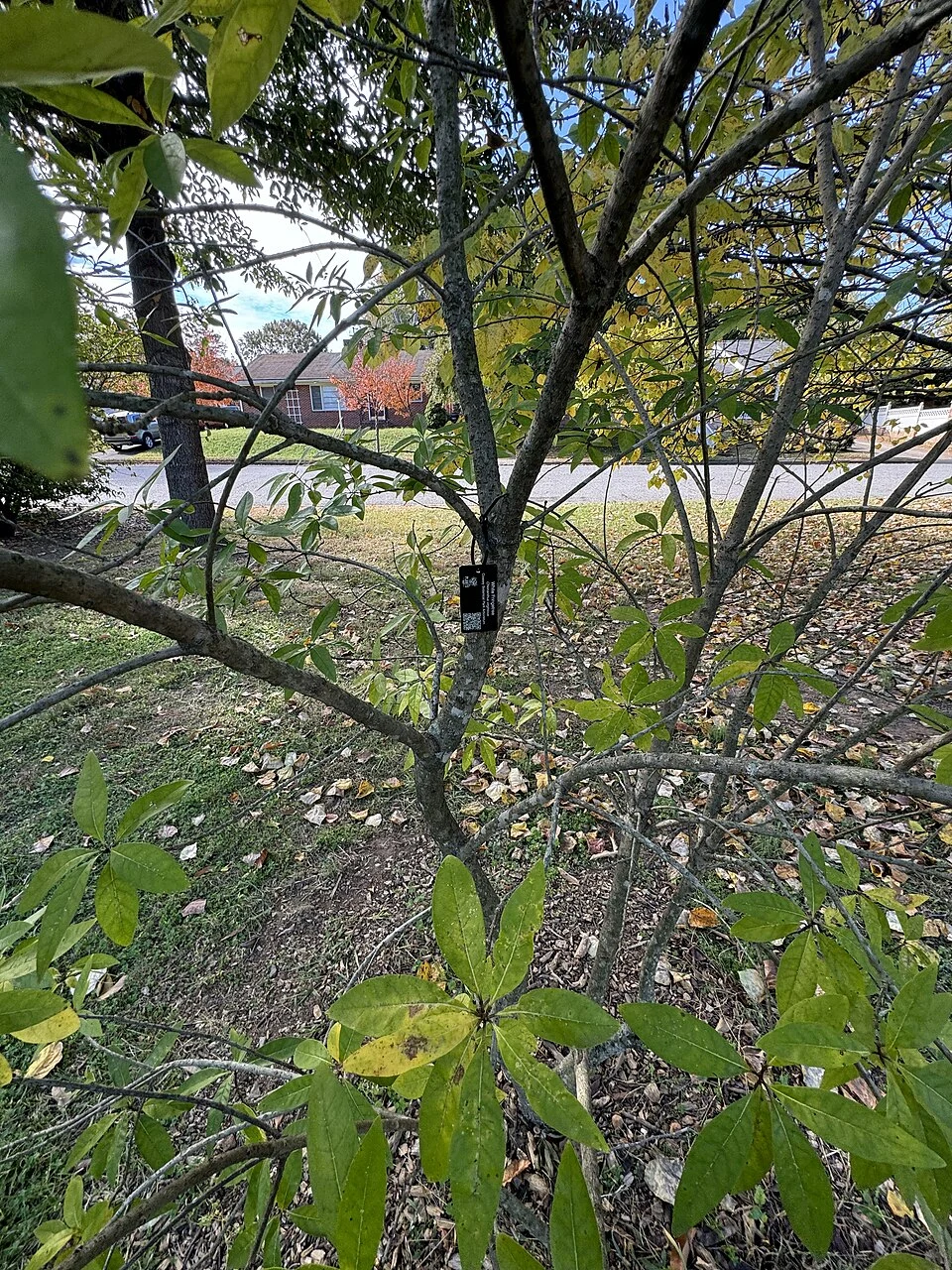
Gray bark begins fairly smooth and becomes scaly or shallowly ridged.
Fruit & seed
Olive-like dark fruits occur on female trees; a male tree may carry no fruit.
Winter character
Opposite buds and a small, often multi-stemmed habit help when leaves are absent.
Origin & place
The species occurs naturally in the southern Appalachian region; a planted specimen is not evidence of wild local origin.
WNC Notes
Adaptable native ornamental; monitor for emerald ash borer because it is in the olive family.
Sun Exposure
Full sun–part shade
MATURE HEIGHT (FT)
12–30
MATURE WIDTH (FT)
12–20
BLOOM SEASON
Late spring
BLOOM COLOR
White
FALL / WINTER COLOR
Yellow
Wet-Soil Tolerance
Moderate
Drought Tolerance
Moderate