Trees & woodland lore · Western North Carolina field companion
London planetree
Platanus × acerifolia
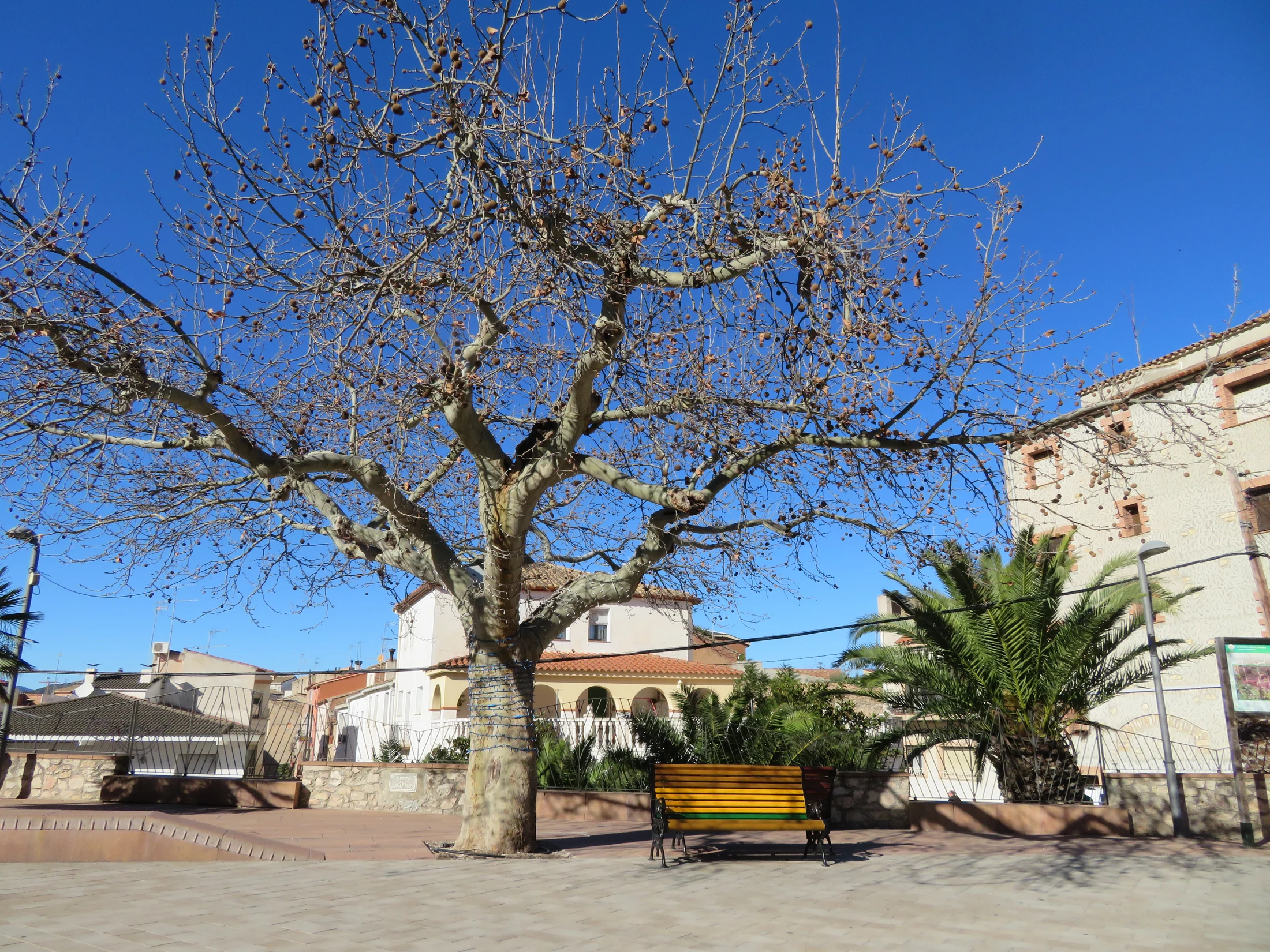
Whole tree — Platanus × acerifolia. Species reference; the photographed specimen does not confirm the named variety. Age, pruning, and site affect its shape.☀ Full sun · ◐ Part sun or part shadeJuan Emilio Prades Bel ↗ · CC BY 4.0Photo contextResized and converted to WebP; full original composition retained.
Problems to recognize in WNC gardens. These are documented susceptibilities, not a local outbreak report or a diagnosis. Weather, elevation and growing conditions change the risk.
Diseases & similar-looking injury
Sycamore anthracnose can blight young leaves and twigs in cool, wet springs; powdery mildew and leaf spots may also occur.
Insects to recognize
Scale, borers and leaf-feeding insects may occur.
When to look
Look for early leaf blight in spring and whether healthy new leaves follow later.
A useful first step
Monitor recovery after spring leaf loss. Repeated dieback, cankers or extensive decline should be assessed.
More growing details
Read the leaves
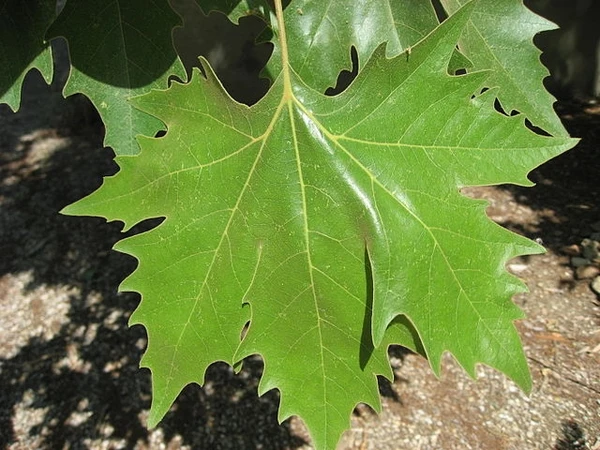
Palmately lobed blades resemble sycamore; compare several mature leaves and fruit stalks.
Read the bark
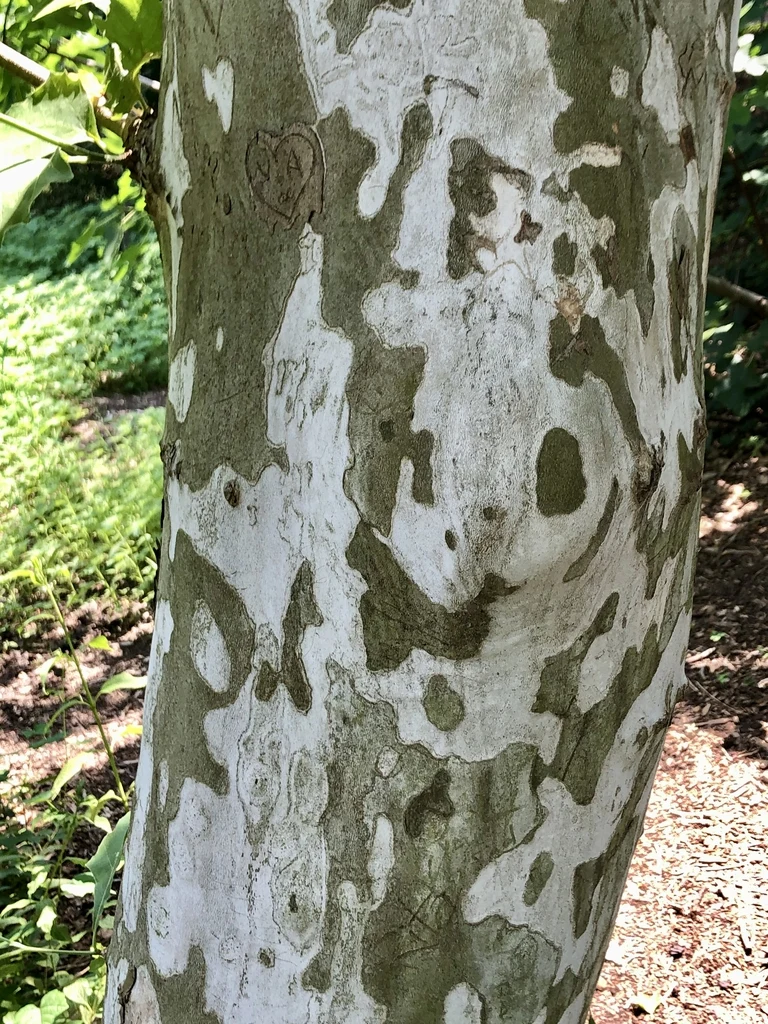
Patchwork exfoliating bark exposes pale cream, gray, and olive areas.
Fruit & seed
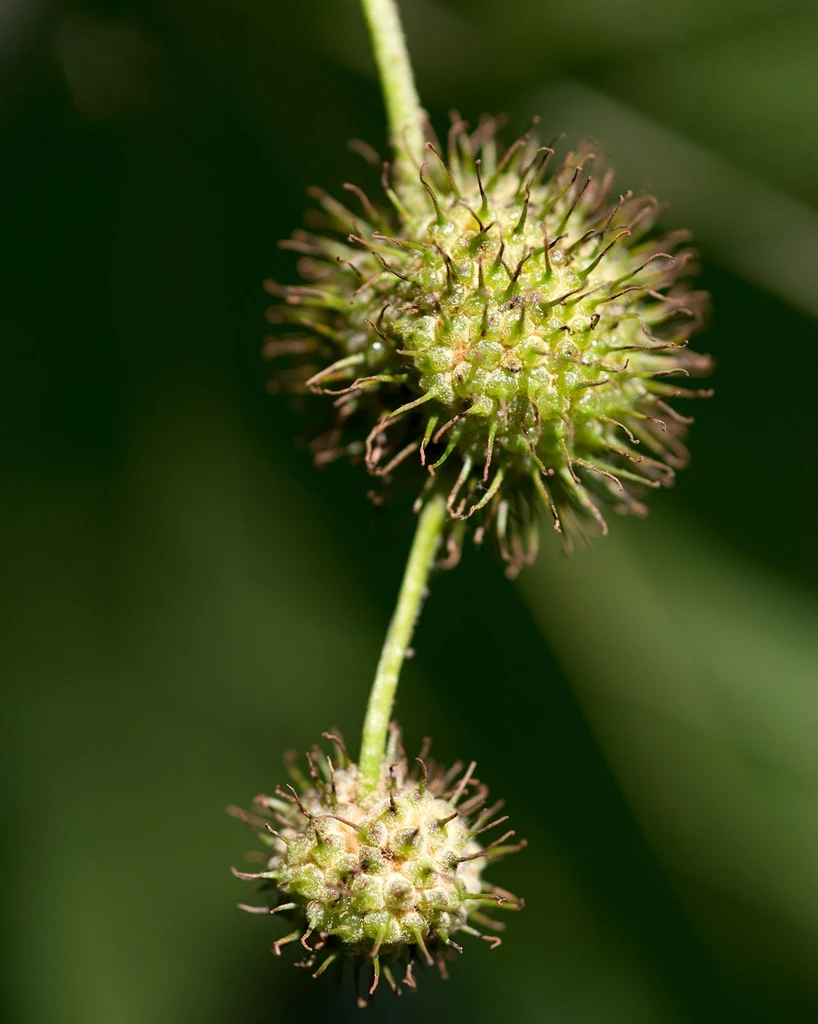
Round seed balls often occur in pairs; numbers and fruit production vary. Count several stalks before comparing with American sycamore.
Winter character
Mottled bark supports the plane-tree group; exact hybrid and cultivar identity needs provenance.
Origin & place
An introduced garden species or horticultural hybrid; study it as part of WNC landscapes rather than assume it belongs to the native mountain flora.
WNC Notes
A cultivated plane-tree hybrid. Anthracnose resistance varies among garden trees; plan for a large mature crown.
Sun Exposure
Full sun–part shade
MATURE HEIGHT (FT)
70–100
MATURE WIDTH (FT)
60–75
BLOOM SEASON
Spring
BLOOM COLOR
Catkins
FALL / WINTER COLOR
Yellow-brown
Wet-Soil Tolerance
Moderate–high
Drought Tolerance
Low
LOOK CLOSELY
Two views, a closer look.
Place two photographs beside one another. Compare the overall plant with leaves, flowers, or bark when those views are available. Captions identify what each photograph actually shows. Images are not at the same scale; species references may show different cultivars.
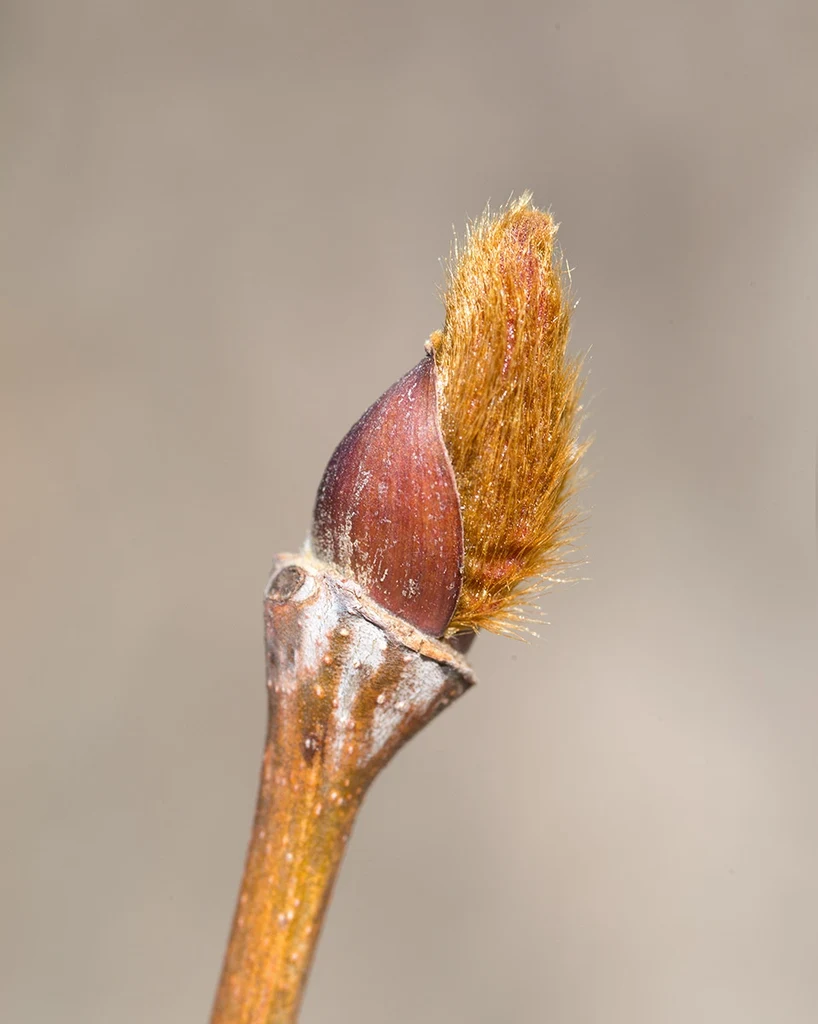
Whole tree — Platanus × acerifolia. Species reference; the photographed specimen does not confirm the named variety. Age, pruning, and site affect its shape.☀ Full sun · ◐ Part sun or part shadeJuan Emilio Prades Bel ↗ · CC BY 4.0Photo contextResized and converted to WebP; full original composition retained.Species reference; does not confirm the named variety. Photograph subject: Breaking bud☀ Full sun · ◐ Part sun or part shadePlant Image Library ↗ · CC-BY-SA 2.0Photo contextResized and converted to WebP; full original composition retained.Platanus x acerfolia. Taxon reference; photograph alone does not establish a named cultivar.☀ Full sun · ◐ Part sun or part shadeLiné1 ↗ · CC BY-SA 3.0Photo contextResized and converted to WebP; no diagnostic content altered.Exfoliating bark of London planetree, cultivar Suttneri — species reference; cultivar identity not inferred.☀ Full sun · ◐ Part sun or part shadeCathy DeWitt ↗ · CC BY 4.0Photo contextResized and converted to WebP; full original composition retained.Fruit — species reference; cultivar identity not inferred.☀ Full sun · ◐ Part sun or part shadePlant Image Library ↗ · CC-BY-SA 2.0Photo contextResized and converted to WebP; full original composition retained.
Your margin of the garden.
Saved only in this browser on this device. Export your notes from My garden in the library.