Trees & woodland lore · Western North Carolina field companion
Katsura tree
Cercidiphyllum japonicum
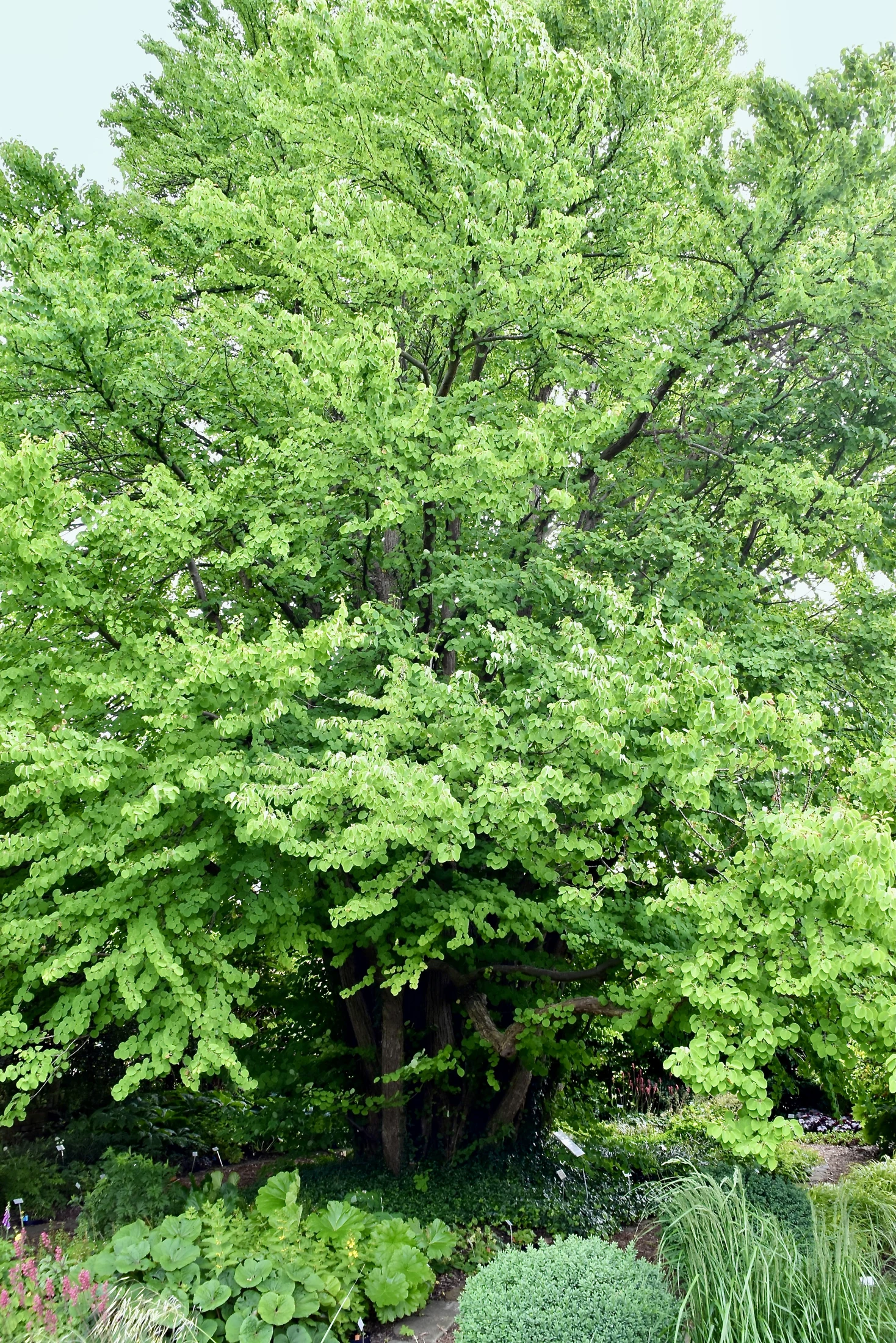
Whole tree — Cercidiphyllum japonicum. Species reference; the photographed specimen does not confirm the named variety. Age, pruning, and site affect its shape.☀ Full sun · ◐ Part sun or part shadeNasserHalaweh ↗ · CC BY-SA 4.0Photo contextResized and converted to WebP; full original composition retained.
Problems to recognize in WNC gardens. These are documented susceptibilities, not a local outbreak report or a diagnosis. Weather, elevation and growing conditions change the risk.
Diseases & similar-looking injury
No serious disease problem is emphasized. Drought and wind can scorch foliage.
Insects to recognize
No serious insect problem is emphasized.
When to look
Watch leaf edges during hot or dry summer weather.
A useful first step
Check soil moisture and exposure before assuming scorched leaves are infected.
More growing details
Read the leaves
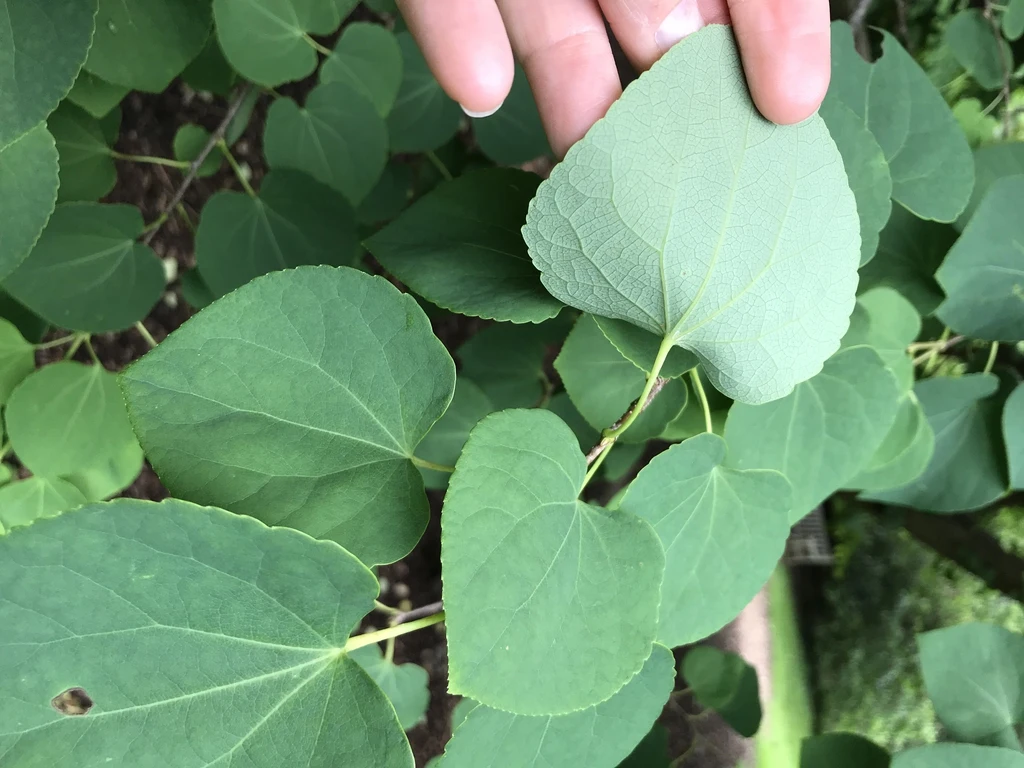
A rounded heart-shaped blade has small blunt teeth. Check several nodes; occasional arrangement variation occurs.
Read the bark
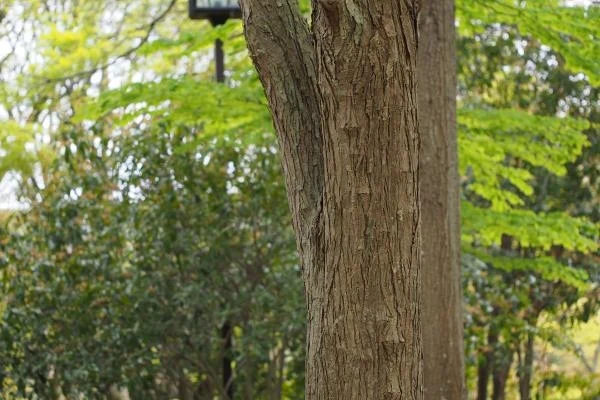
Gray-brown bark becomes shaggy or furrowed with age.
Fruit & seed
Small curved pod-like follicles occur on female trees; males do not make them.
Winter character
Opposite buds and short shoots support identification when leaves are absent.
Origin & place
An introduced garden species or horticultural hybrid; study it as part of WNC landscapes rather than assume it belongs to the native mountain flora.
WNC Notes
Elegant specimen with fragrant fallen leaves; needs consistent moisture and shelter from hot dry wind.
Sun Exposure
Full sun–part shade
MATURE HEIGHT (FT)
40–60
MATURE WIDTH (FT)
30–50
BLOOM SEASON
Early spring
BLOOM COLOR
Inconspicuous
FALL / WINTER COLOR
Yellow-apricot
Wet-Soil Tolerance
High
Drought Tolerance
Low
LOOK CLOSELY
Two views, a closer look.
Place two photographs beside one another. Compare the overall plant with leaves, flowers, or bark when those views are available. Captions identify what each photograph actually shows. Images are not at the same scale; species references may show different cultivars.
Whole tree — Cercidiphyllum japonicum. Species reference; the photographed specimen does not confirm the named variety. Age, pruning, and site affect its shape.☀ Full sun · ◐ Part sun or part shadeNasserHalaweh ↗ · CC BY-SA 4.0Photo contextResized and converted to WebP; full original composition retained.The back of a Katsura leaf. Taxon reference; photograph alone does not establish a named cultivar.☀ Full sun · ◐ Part sun or part shadeLucy Bradley ↗ · CC0Photo contextResized and converted to WebP; no diagnostic content altered.Cercidiphyllum japonicium bark — species reference; cultivar identity not inferred.☀ Full sun · ◐ Part sun or part shadeHarum Koh ↗ · CC-BY-SA 2.0Photo contextResized and converted to WebP; full original composition retained.
Your margin of the garden.
Saved only in this browser on this device. Export your notes from My garden in the library.