Trees & woodland lore · Western North Carolina field companion
Yellow birch
Betula alleghaniensis
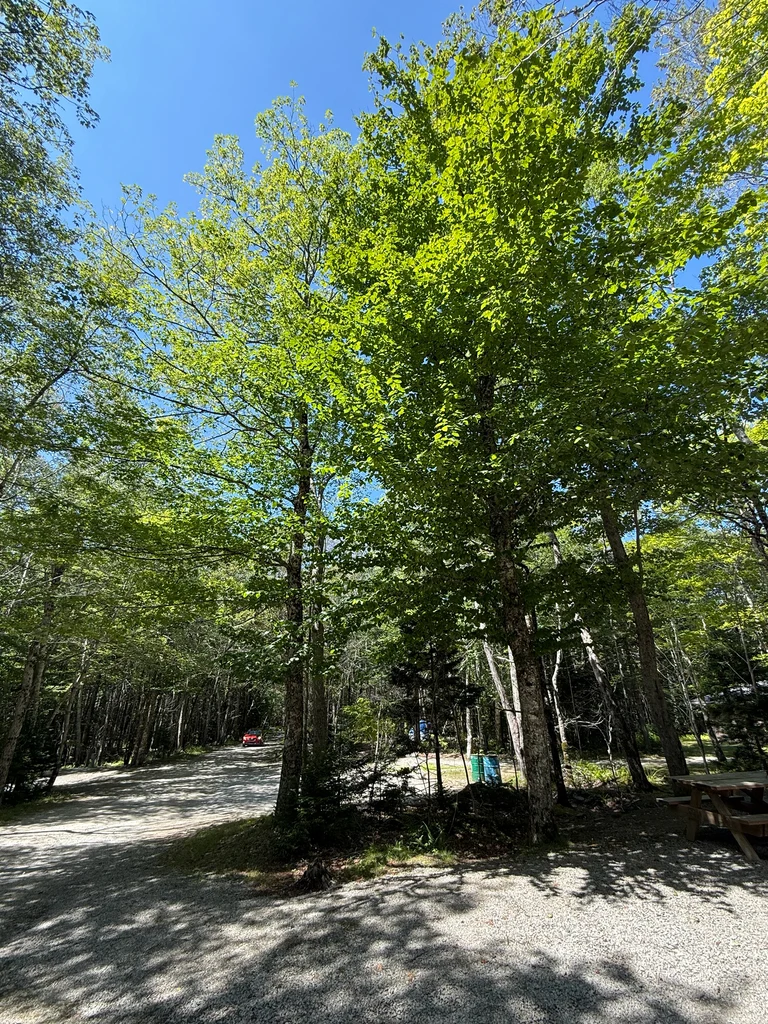
Whole tree — Betula alleghaniensis. Species reference; the photographed specimen does not confirm the named variety. Age, pruning, and site affect its shape.☀ Full sun · ◐ Part sun or part shade(c) Patrice Dupont, some rights reserved (CC BY) ↗ · CC BY 4.0Photo contextResized and converted to WebP; full original composition retained.
Problems to recognize in WNC gardens. These are documented susceptibilities, not a local outbreak report or a diagnosis. Weather, elevation and growing conditions change the risk.
Diseases & similar-looking injury
Leaf spots and occasional cankers may occur. Heat and moisture stress can also thin the canopy.
Insects to recognize
Aphids, leafminers and birch skeletonizers may occur. River birch is resistant to bronze birch borer; do not assume all birches have the same risk.
When to look
Inspect leaves in spring and summer; look for mines within leaves and chewed tissue.
A useful first step
Check water availability and site suitability. Seek help for progressive branch death rather than treating every leaf blemish.
More growing details
Read the leaves
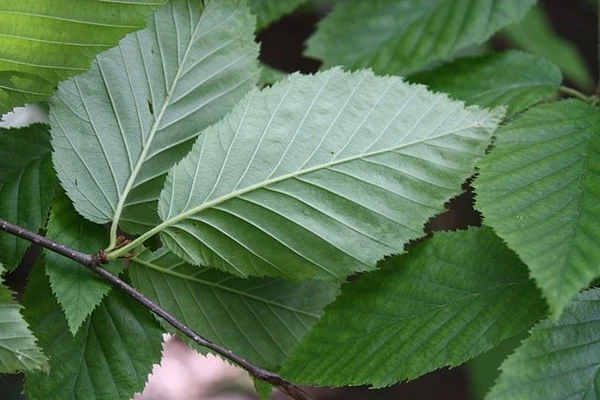
Leaves have a pointed tip and strong side veins ending in teeth. Larger teeth bear smaller teeth.
Read the bark
Thin bronze-gold strips peel from young and middle-aged trunks; old trunks become rougher.
Fruit & seed
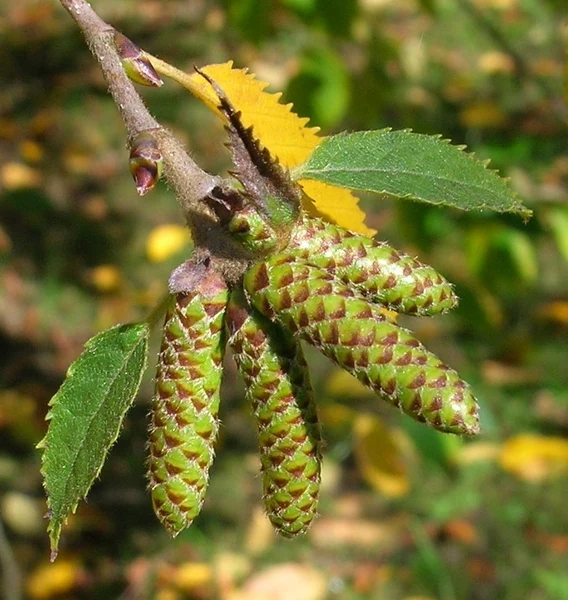
Small upright woody fruiting catkins release winged seeds.
Winter character
Golden peeling bark and fine alternate twigs are valuable winter clues.
Origin & place
The species occurs naturally in the southern Appalachian region; a planted specimen is not evidence of wild local origin.
Place two photographs beside one another. Compare the overall plant with leaves, flowers, or bark when those views are available. Captions identify what each photograph actually shows. Images are not at the same scale; species references may show different cultivars.
Whole tree — Betula alleghaniensis. Species reference; the photographed specimen does not confirm the named variety. Age, pruning, and site affect its shape.☀ Full sun · ◐ Part sun or part shade(c) Patrice Dupont, some rights reserved (CC BY) ↗ · CC BY 4.0Photo contextResized and converted to WebP; full original composition retained.Betula alleghaniensis. Taxon reference; photograph alone does not establish a named cultivar.☀ Full sun · ◐ Part sun or part shadeAnnalei Salo ↗ · CC BY-SA 3.0Photo contextResized and converted to WebP; no diagnostic content altered.Developing upright fruiting catkins of yellow birch — species reference; cultivar identity not inferred.☀ Full sun · ◐ Part sun or part shadeEl Grafi ↗ · CC BY-SA 3.0Photo contextResized and converted to WebP; full original composition retained.
Your margin of the garden.
Saved only in this browser on this device. Export your notes from My garden in the library.